
Last updated October 16, 2026
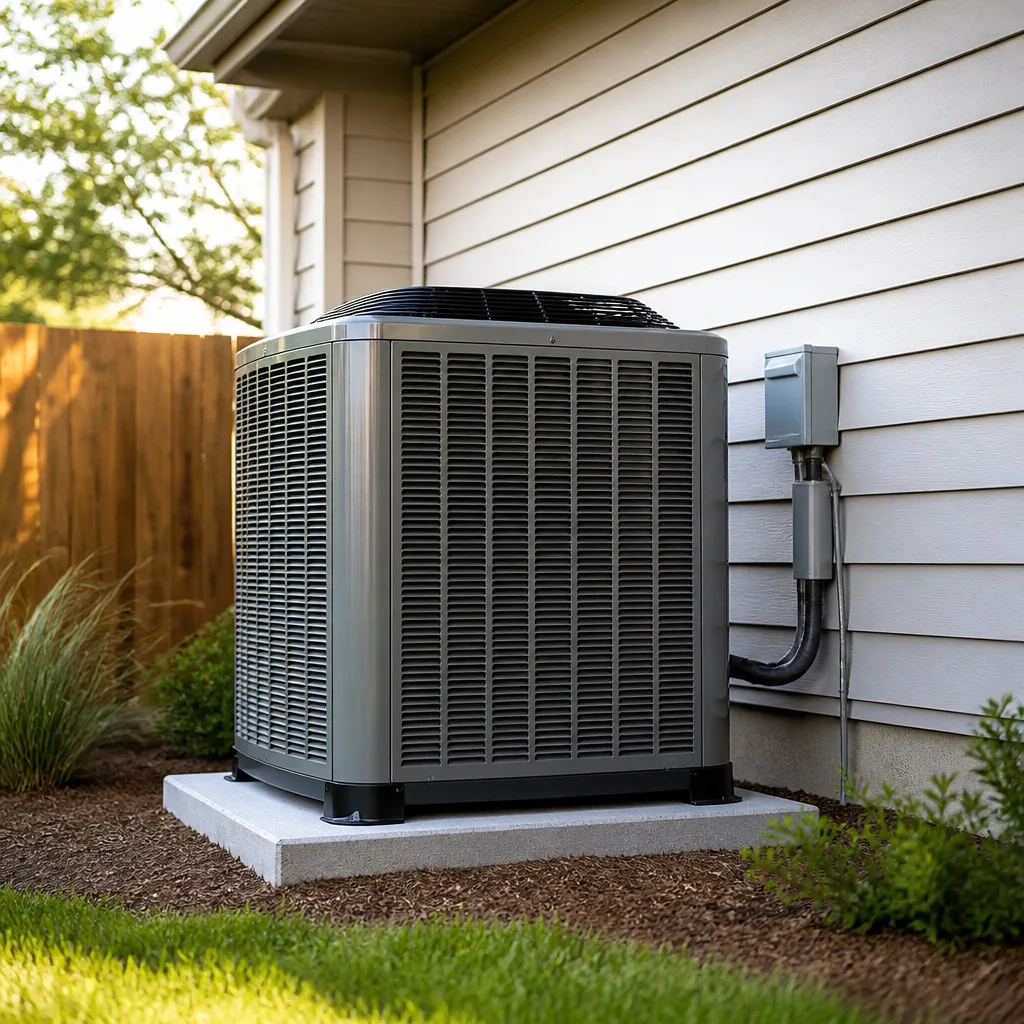 AC repair
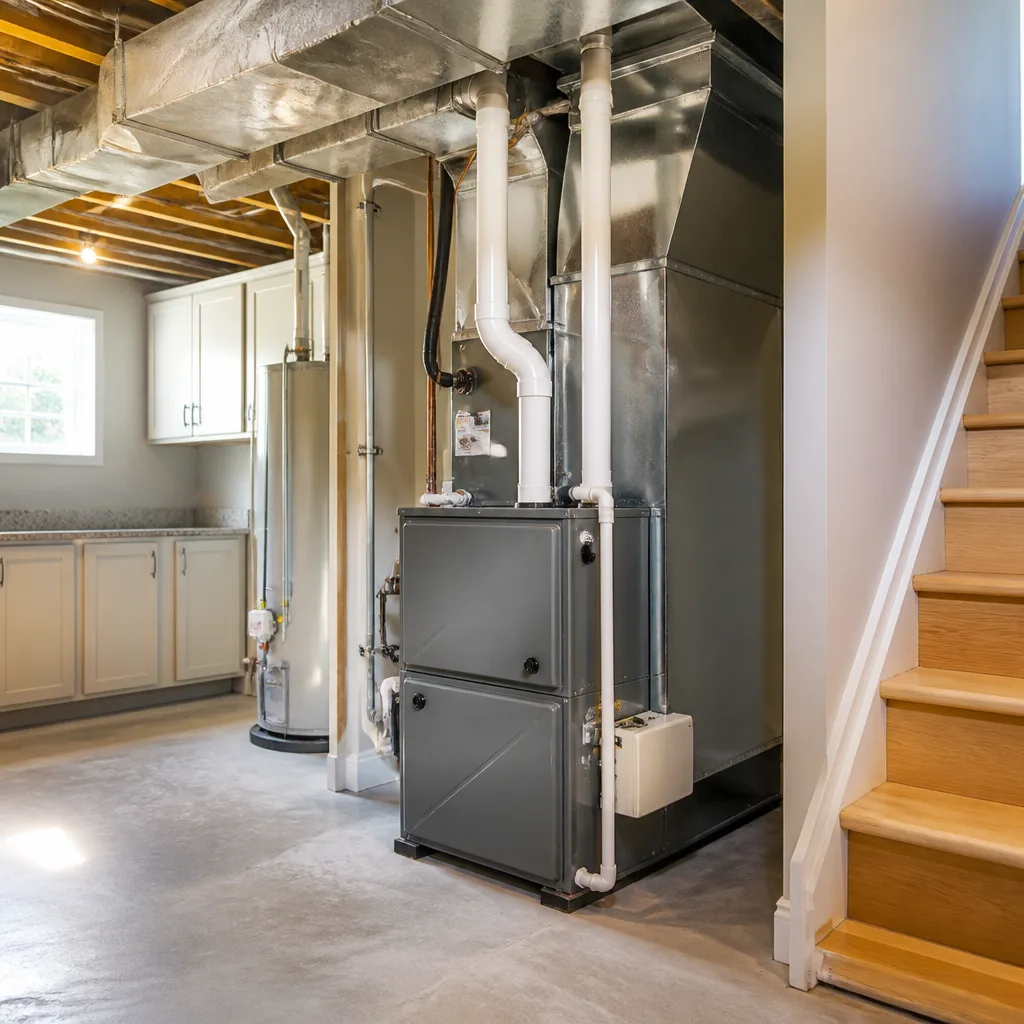 Furnace & heating
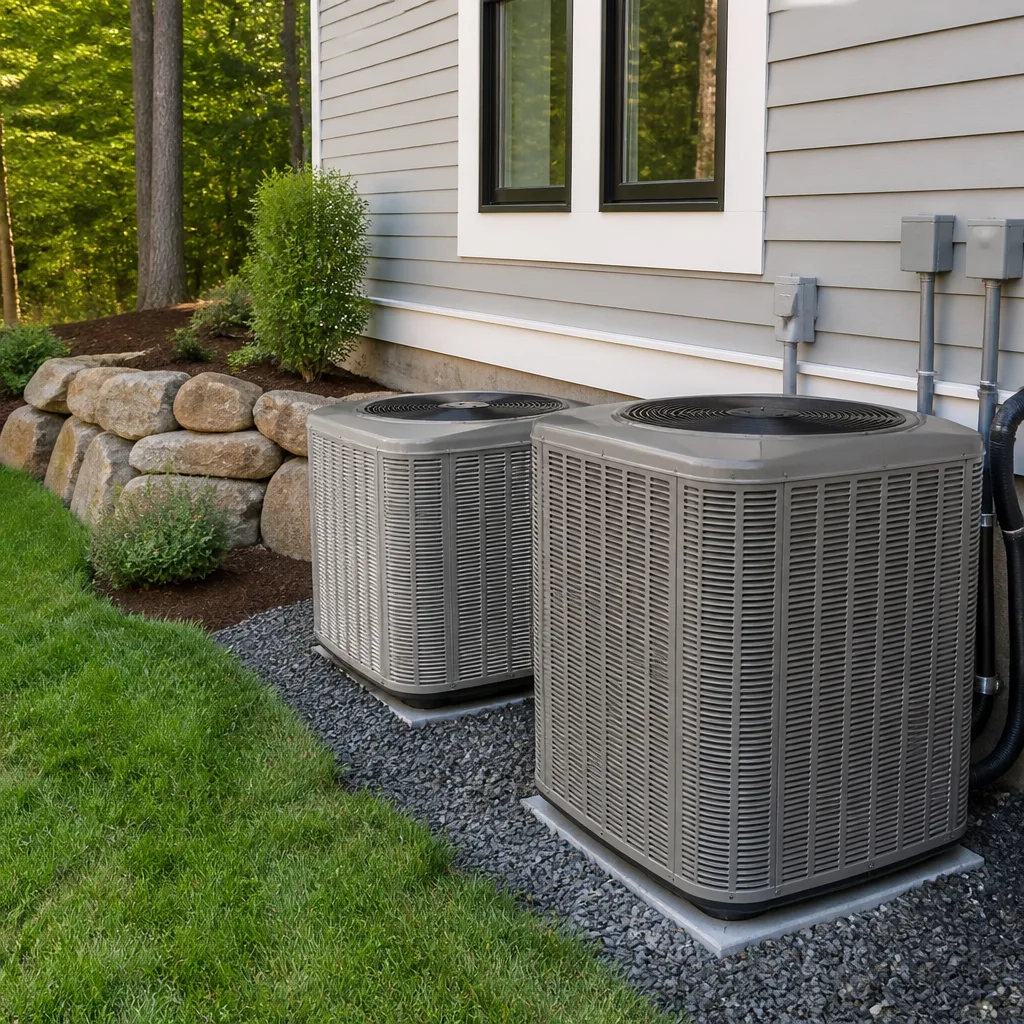 Heat pumps
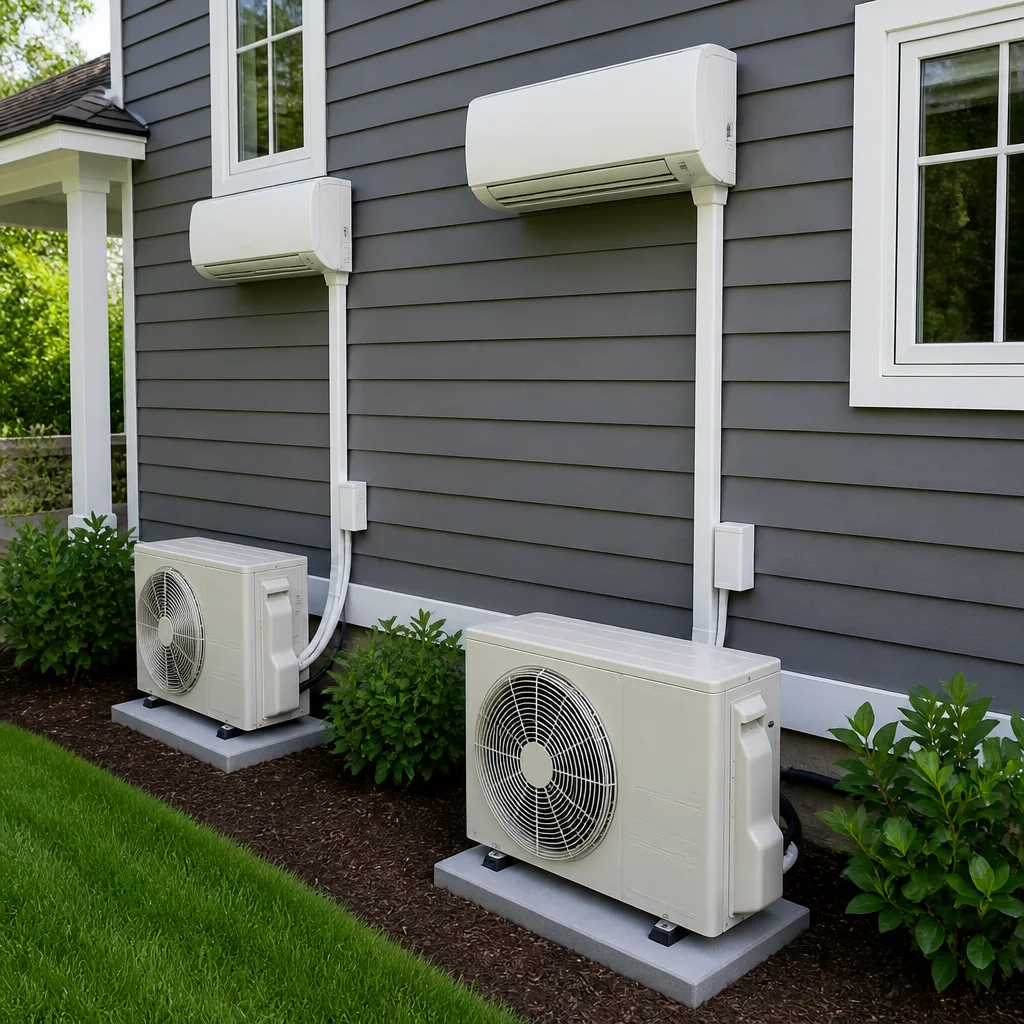 Ductless mini splits
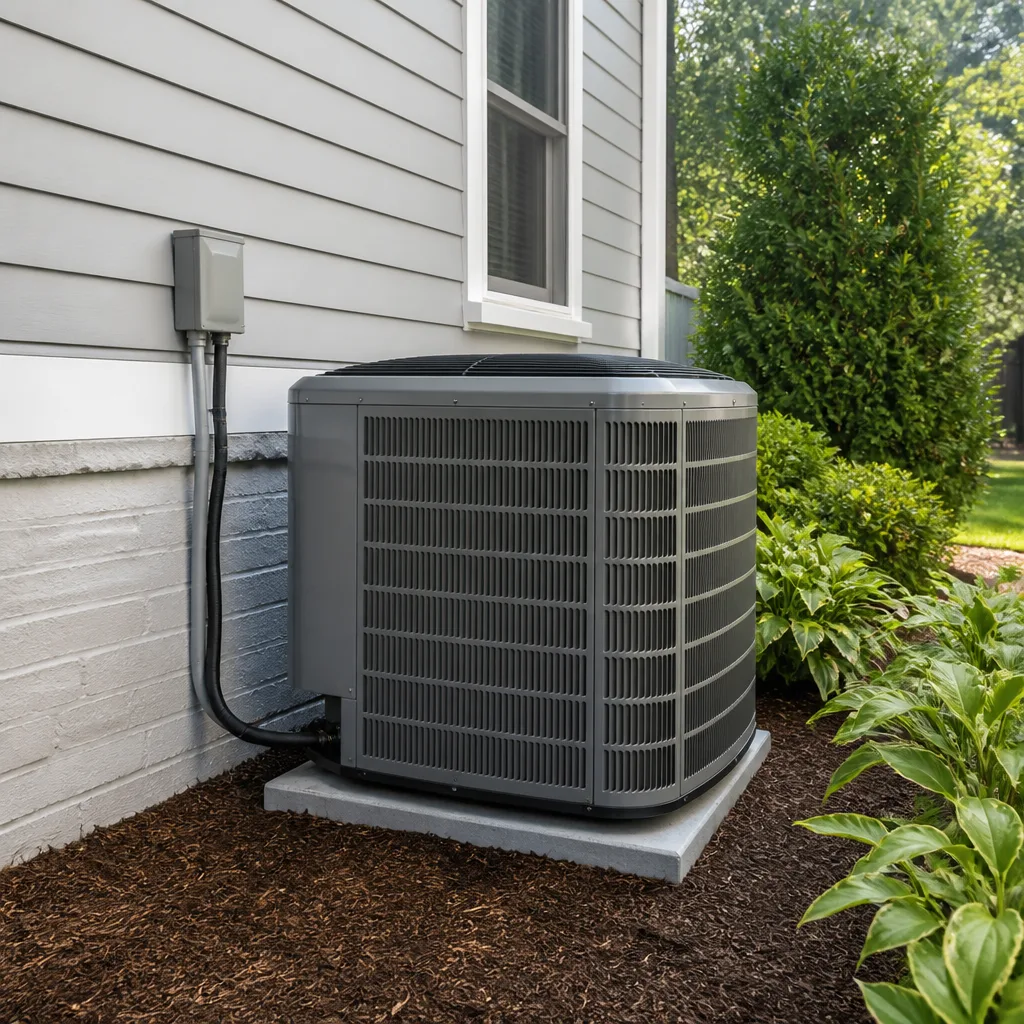 Carrier
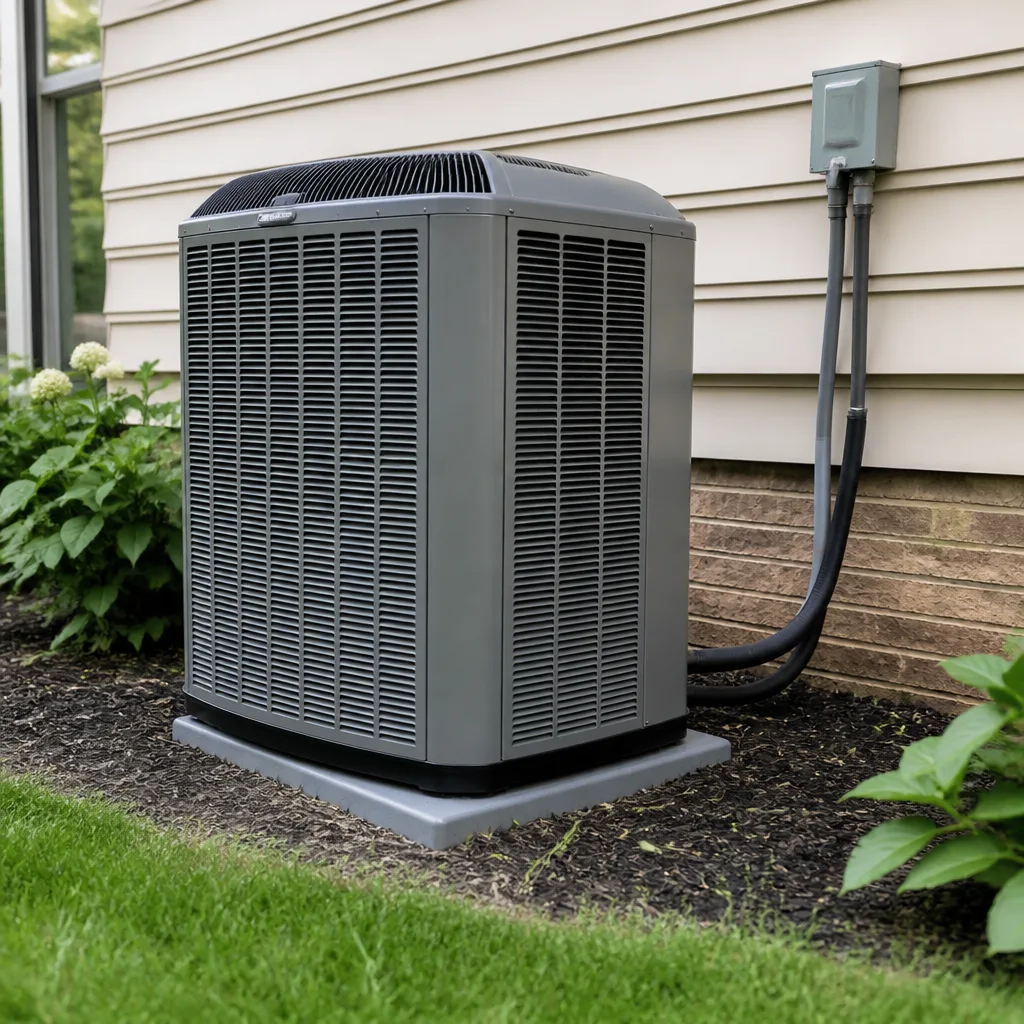 Trane
Trane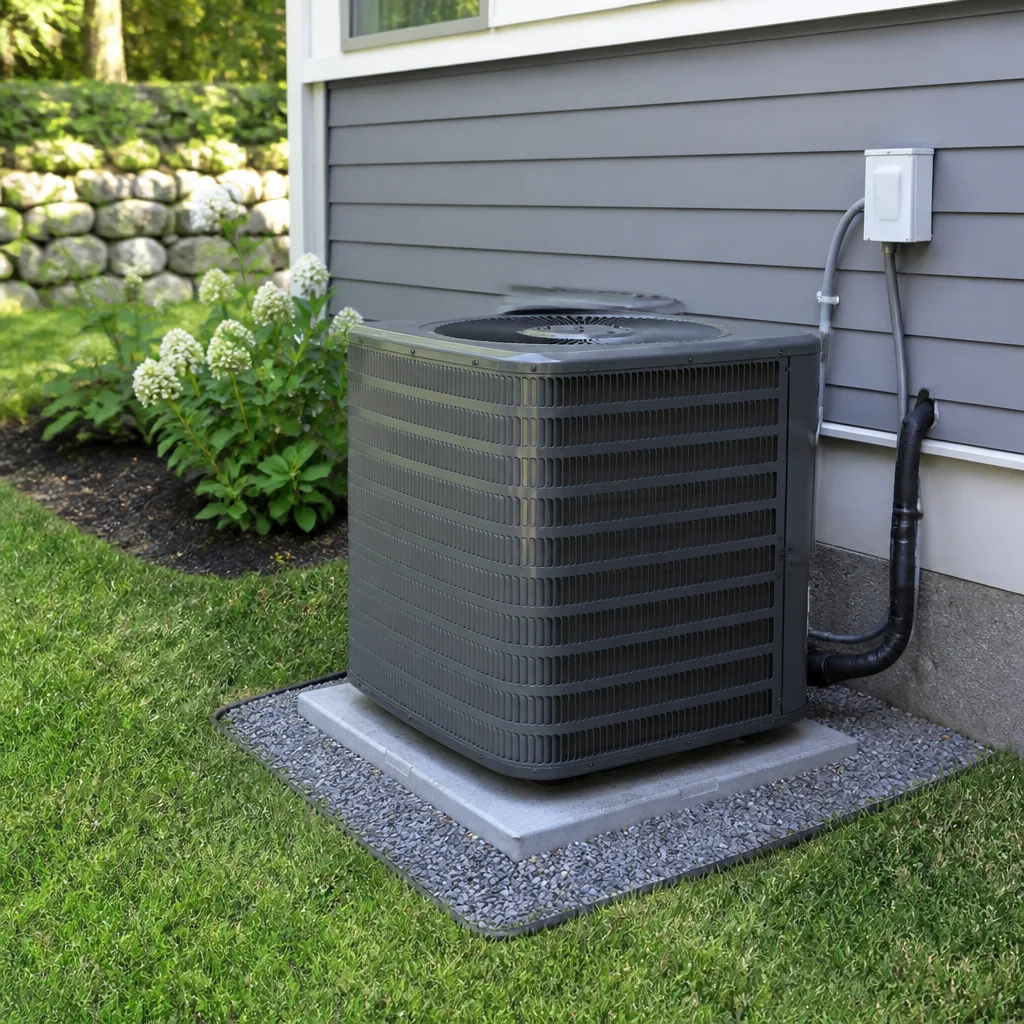 Goodman
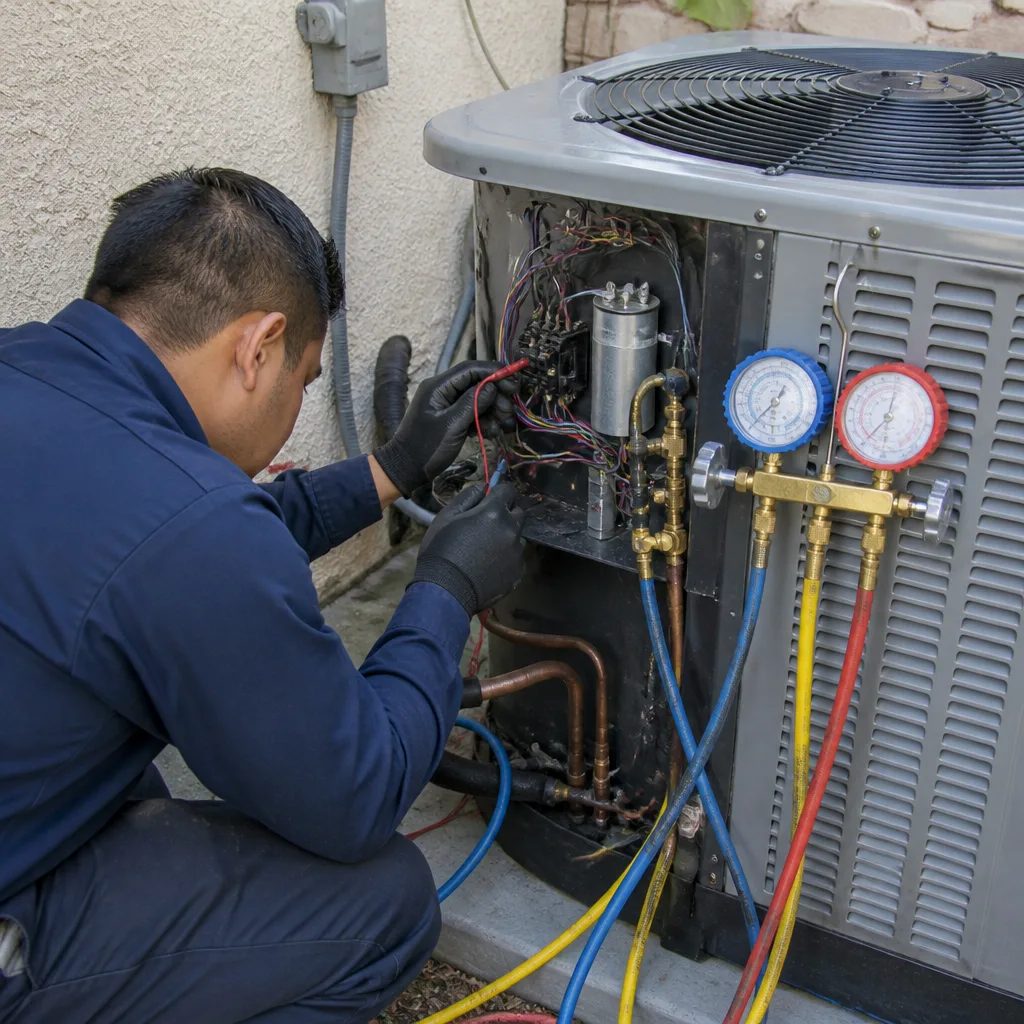
Seasonal tune-up and full diagnostic on your Carrier, Trane, or Goodman system - readings shown to you before any repair is proposed
Diagnosis first, numbers second - you approve the repair price before a single part goes in.
Get your free estimateHVAC Permits, Codes & Inspections in CA: What You Need to Know
In Riverside, a new central air conditioner can cost anywhere from $8,000 to $16,000 installed. The permit for that same job typically runs between $150 and $400. Every year we hear a version of the same story: a homeowner skipped the permit to save a little, then watched a home sale stall in escrow when the buyer’s inspector flagged the unpermitted HVAC work. This guide exists so that doesn’t happen to you. We’ll walk through which jobs actually require a permit in California, what Riverside’s building department process looks like step by step, what the Title 24 energy code requires, how to recover from a red tag, and why the name on the permit application matters more than most people realize. You’ll know more in fifteen minutes than many contractors do.
Quick Answer
Most HVAC work in California, including replacing a furnace or AC condenser, requires a building permit – even when you’re swapping equipment “in kind.” The permit must be pulled by the licensed contractor doing the work, not the homeowner, and the job isn’t legally complete until a city inspector signs off on the final inspection. Skipping this process risks insurance claim denials, failed home sales, and corrective work that costs more than the original job.
Styles & brands we work with
Table of Contents
- Which HVAC Jobs Require a Permit in California
- How the Riverside Permit Process Actually Works
- Title 24 Energy Code Requirements That Surprise Homeowners
- The Duct Leakage Test Nobody Warns You About
- What a Red Tag Means and How to Recover From One
- Why the Contractor’s Name on the Permit Matters
- What Happens When You Buy or Sell a Home With Unpermitted HVAC
- What HVAC Permits Cost in Riverside
Which HVAC Jobs Require a Permit in California
California’s building code is built on the California Mechanical Code, which requires a permit for the “installation, alteration, repair, or replacement” of any heating, ventilating, or air conditioning system. That’s a broad net, and it catches most work homeowners assume is exempt. There is no blanket “like-for-like replacement” exemption in the code. If you swap a 20-year-old furnace for a new furnace of the same size, you still need a permit. If you replace only the outdoor condenser unit, you need a permit. If you add a single supply register and run new duct to it, you need a permit.
What doesn’t require a permit in California:
- Routine maintenance like coil cleaning, filter changes, or thermostat battery replacement
- Replacing a capacitor, contactor, or control board as a repair
- Replacing a furnace ignitor or flame sensor
- Clearing a condensate drain line
- Recharging refrigerant (though this requires EPA certification)
What does require a permit:
- Complete furnace replacement, even same-brand, same-BTU swaps
- Central AC condenser or coil replacement
- Adding or relocating supply or return ducts
- New HVAC system installation in a new addition or ADU
- Converting from a furnace to a heat pump, or gas to electric
- Installing a new gas line for a furnace or water heater
Riverside is part of the Inland Empire, where summer temperatures routinely cross 100 degrees in neighborhoods like Orangecrest, Mission Grove, and Canyon Crest. That heat load is exactly why the city takes HVAC permits seriously. A system that’s undersized or installed without verification fails on the hottest day of the year, which is when you need it most. The permit process is a check that protects your family during a Riverside August.
How the Riverside Permit Process Actually Works
The City of Riverside’s building department runs its permits through an online portal called Riverside Permits Online, which is part of the city’s Accela citizen access system. A licensed contractor creates an account, fills out the mechanical permit application, attaches the equipment specifications and a rough plan if the job involves new ductwork, and pays the fee. The timeline from application to first inspection is typically 3 to 10 business days depending on workload.
Here’s the process, step by step:
- Application submitted by the contractor. The contractor lists their California State License Board (CSLB) license number, describes the scope of work, and names the equipment being installed. If it’s a replacement, the city usually reviews it over the counter or within a few days. If it’s new construction or new ductwork, plan review may be required.
- Permit issued. Once approved and the fee is paid, the permit is issued in the contractor’s name. This is an important point we’ll return to later.
- Installation occurs. The contractor installs the equipment per the approved application. The permit document should be posted in a visible location, like a front window or garage wall.
- Rough inspection (if applicable). If new ductwork or a new gas line was installed, the inspector visits before walls are closed up. This verifies duct sizing, hanger spacing, and gas pipe pressure testing.
- Final inspection. The inspector confirms the installed equipment matches the permit, checks the condensate drainage, verifies clearance from combustibles for gas furnaces, and in many cases reviews HERS testing documentation for duct leakage (more on that below).
- Final sign-off. The inspector signs the permit as complete. The city records the final, and the permit is closed. You now have a legally complete installation.
In Riverside, the most common delay is not scheduling the inspection – it’s failing the inspection because the HERS duct leakage test wasn’t performed or the test results weren’t uploaded to the state’s registry before the inspector arrived. We’ve seen homeowners wait an extra week because a contractor forgot to register the HERS test. A good contractor submits the test results the same day the test is performed.
Title 24 Energy Code Requirements That Surprise Homeowners
California’s Energy Code, known as Title 24 Part 6, applies to virtually every HVAC replacement in the state. The current code cycle (2022, which took effect January 1, 2023) raised the efficiency baseline for equipment and expanded what triggers testing requirements. If your HVAC contractor doesn’t mention Title 24 during the estimate, that’s a sign the contractor doesn’t do full-permit work.
Here’s what Title 24 means for you in practical terms:
- Minimum efficiency ratings. Cooling equipment must meet or exceed a SEER2 rating of 14.3 for most split systems in the Riverside climate zone (zone 10). Heat pumps have a minimum HSPF2 depending on the system. Equipment that doesn’t meet the baseline can’t be legally installed.
- Duct sealing requirements. If more than 40 feet of existing ductwork is in the home and the equipment is being replaced, the ducts must be sealed to meet a leakage standard. This is the requirement that surprises people, because a “simple swap” suddenly involves duct testing and possibly duct repairs.
- HERS verification. A certified Home Energy Rating System rater performs the duct leakage test, and the results go into the state’s CalCERTS registry. Without that registry entry, the city won’t issue a final sign-off.
- Thermostat requirements. Title 24 requires that all systems use a set-back thermostat. Most modern smart thermostats qualify, but it’s a code point inspectors check.
- Refrigerant restrictions. Starting in 2025, new equipment must use lower-global-warming-potential refrigerants like R-454B or R-32. R-410A equipment can no longer be manufactured for the U.S. market after January 2025, though existing inventory can still be installed in some cases through 2026 depending on supply.
We’ve worked on Lennox, Goodman, and Rheem equipment in Riverside, and the Title 24 conversation is the same across all of them: the equipment is rated to meet code, but the installation – especially the ductwork – determines whether the home actually passes inspection. You can buy the most efficient furnace on the market and still fail Title 24 if the ducts leak like a sieve.
The Duct Leakage Test Nobody Warns You About
The duct leakage test is a Title 24-mandated verification that measures how much conditioned air escapes from your ductwork before it reaches the rooms of your house. In a California home with typical aging ducts, 15 to 25 percent of conditioned air can be lost into the attic or crawlspace. That’s money literally leaking into the attic. The test uses a calibrated fan to pressurize the duct system and measure the CFM (cubic feet per minute) of leakage. The standard for the test is that leakage must not exceed 10 percent of the system’s total airflow, depending on the specific compliance option the contractor files.
What this means in Riverside homes, where attic temperatures hit 140 degrees in summer:
- Leaky ducts on the supply side force your AC to run longer to cool the same square footage
- Leaky ducts on the return side pull hot attic air into the system, which makes the coil work harder
- Duct leakage contributes to dust, humidity, and uneven temperatures between rooms
- In homes near the Santa Ana River bottom or older areas like Wood Streets, duct systems from the 1970s and 1980s often fail the leakage test on the first try
If a system fails the initial test, the fix is usually duct sealing – mastic and mesh tape applied to joints, plus replacement of any collapsed or disconnected sections. The cost for duct sealing in Riverside ranges from $800 to $2,500 depending on how much ductwork is accessible and how many leaks exist. After sealing, the HERS rater retests to confirm compliance. This entire process is part of a code-compliant installation, and a reputable contractor includes it in the written price before work starts. If a contractor’s estimate doesn’t mention duct testing or sealing, consult our AC Repair Maintenance Checklist for Riverside Homeowners and ask why.
What a Red Tag Means and How to Recover From One
A red tag is the notice a Riverside building inspector leaves when an installation fails inspection. It’s not a fine, and it doesn’t mean your equipment is unsafe to run by itself – it means the installation doesn’t meet the code requirements it was permitted for, and the permit cannot be closed until the problem is corrected. Red tags happen for dozens of reasons, but the most common ones we see in Riverside are missing HERS documentation, a gas furnace with insufficient clearance to combustibles, improper condensate drainage, or an installation that doesn’t match what the permit application described.
If you get a red tag, here’s how to recover without paying twice:
- Read the tag. The inspector writes the specific code section that was violated. This is your roadmap. “Insufficient combustion air per CMC 701” is very different from “HERS registration not on file.” The first requires a mechanical fix. The second requires the contractor to submit paperwork.
- Contact the contractor in writing. The contractor who pulled the permit is responsible for correcting the violation and calling for reinspection. Document the call or email. If the contractor won’t respond, that’s a conversation with the CSLB.
- Determine if the fix is paperwork or physics. A missing HERS test costs nothing to submit if the test was run. A duct leak failure requires duct sealing, which is additional labor and materials. If the contractor quoted you a price that didn’t include duct sealing, they may try to add a change order now. This is a red flag about the original quote, not a legitimate surprise.
- Schedule the reinspection promptly. Most cities require reinspection within a set window (typically 10 to 30 days) before the permit goes dormant. Riverside will allow reinspection for the original permit fee for a limited time; after that, a new permit may be required, and that’s when you’d effectively pay twice.
- Get the final sign-off. Once the inspector clears the tag, the permit is closed and you have a legal, insurable installation.
In our experience, most red tags in Riverside are avoidable with one phone call before the job starts: asking the contractor, in writing, “Will my job include a HERS duct test, and is it included in this price?” That single question separates full-code contractors from shortcut operators.
Why the Contractor’s Name on the Permit Matters
Under California law, the licensed contractor performing the work must obtain the building permit. The CSLB’s Business and Professions Code requires it. When a homeowner pulls a permit “for” the contractor, or when the contractor asks the homeowner to pull the permit themselves – a practice sometimes called “owner-builder” permitting – several things go wrong immediately, and the homeowner absorbs all of them.
- Liability shifts to the homeowner. If a worker is injured on the job under an owner-builder permit, the homeowner can be liable for workers’ compensation claims. The contractor’s insurance may not cover a job where the permit is in someone else’s name.
- The contractor’s license isn’t reviewed. The permit process checks that the person doing the work holds an active CSLB license. Bypass that, and the city hasn’t verified anything about who’s actually on your property.
- Inspection responsibility blurs. When the contractor holds the permit, the inspection is part of their obligation. When the homeowner holds it, the homeowner is responsible for scheduling, attending, and resolving red tags.
- Insurance claims get complicated. If an unpermitted or incorrectly permitted installation later fails and damages your home, your insurer may deny the claim on the basis that the work was not performed under the proper permits.
Any contractor who asks you to pull the permit yourself is asking you to absorb risk that the contractor’s license and insurance are supposed to carry. In fifteen years of working in the Inland Empire, we’ve never seen a good reason for a contractor to make that request. If a company tells you “we can save you money by skipping the permit,” what they’re actually saving is their own accountability.
What Happens When You Buy or Sell a Home With Unpermitted HVAC
The Riverside real estate market moves fast, and in the heat of a bidding war some buyers waive the right to scrutinize building records. We told you at the top about a deal that nearly died in escrow. Here’s what typically happens: the buyer’s home inspector runs the serial number on the AC condenser, checks it against the city’s permit records, and finds no permit. The inspector flags it. The buyer’s lender or insurer asks for proof of a permitted installation. The seller is now negotiating a price reduction or a retroactive permit, and in Riverside, retroactive permits for HVAC exist but require the system to meet current code – which may mean duct sealing, a HERS test, and possibly equipment replacement if the unit is too old to be legal.
If you’re buying a home and the HVAC looks newer but there’s no permit record, call the City of Riverside building department and ask for a records search. It’s a $40 to $80 request in most cases, and it’s worth every dollar. If the work was unpermitted, you have choices: negotiate for the seller to obtain a retroactive permit, price the correction into your offer, or assume the risk knowingly. But you should never find out about unpermitted HVAC for the first time after closing.
If you own a home with unpermitted HVAC work and you’re not selling, the best time to fix the situation is now. A retroactive permit may trigger corrections (duct sealing, combustion air, condensate drainage), but it clears the record and restores your insurance standing. When you call a contractor for a retroactive permit, ask if they’ve handled them before in Riverside. It’s a specific process with the building department, not the same as a fresh permit.
What HVAC Permits Cost in Riverside
Permit fees in Riverside are calculated based on the value of the work, not a flat rate. For a typical furnace or AC replacement, here’s what you’re looking at:
| Job Type | Typical Permit Fee Range | HERS Test Range |
|---|---|---|
| Furnace replacement (like-for-like) | $150 – $250 | $250 – $450 |
| AC condenser replacement | $150 – $300 | $250 – $450 |
| Full system replacement (furnace + AC) | $250 – $400 | $250 – $450 |
| New ductwork or duct modification | $200 – $400 | $300 – $600 |
| Heat pump conversion (gas to electric) | $300 – $500 | $300 – $600 |
These are planning numbers, not quotes. Riverside’s fee schedule changes periodically, and the city’s plan-check fee may be added for jobs requiring review. The point is the math: a $250 permit on a $12,000 system is 2 percent of the job. The insurance claim that gets denied because of an unpermitted install, or the escrow negotiation that shaves $5,000 off a sale price, is a much larger number. The permit is the cheapest insurance you’ll buy for your HVAC investment. We’re part of the Meadowsweet Heating and Air Riverside home family, and our estimate always includes the permit fee as a line item – never hidden, never “handled later.”
Common Mistakes to Avoid
- Believing “replacement in kind” doesn’t need a permit. California code requires a permit for replacement, period. An unpermitted swap is still unpermitted.
- Letting the contractor pull the permit in your name. Owner-builder permitting transfers liability from the contractor to you. If the contractor suggests it, that’s the end of the conversation.
- Skipping the HERS duct test to save money. The test is not optional under Title 24 when ductwork exceeds the threshold, and a missing test is the most common red-tag reason in Riverside. The $300 test beats a $1,500 duct-sealing surprise after the fact.
- Paying the full balance before final inspection. Reputable contractors collect final payment after the city signs off. If a contractor demands full payment before the final inspection, you’ve lost your leverage to resolve a red tag.
- Hiding unpermitted work during a sale. Sellers are required to disclose known unpermitted work on the transfer disclosure statement. Disclosure might cost you money. Concealment can cost you a lawsuit.
- Assuming all HVAC companies pull permits. Some Riverside contractors quote jobs “without permit” and pass the lower price as savings. Ask the direct question in writing: “Does this price include the building permit and all required inspections?” If the answer is no, your warranty and your insurance are quietly at risk.
See the difference
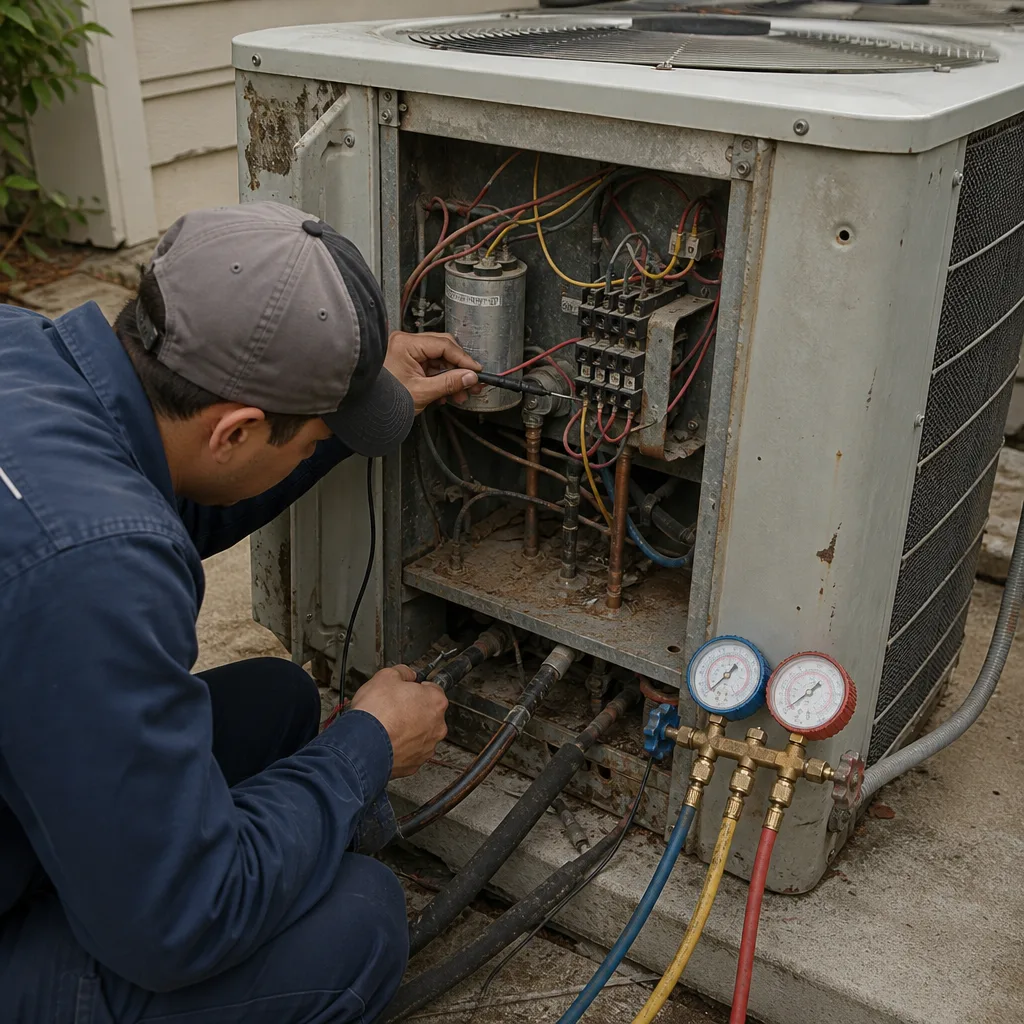 Before
 After
After Before
 After
After Before
 After
AfterWhen to Call a Professional
Any time you’re installing, replacing, or substantially altering HVAC equipment, you need a licensed contractor who pulls the permit, schedules the inspections, and stands behind the work. The scenarios where calling is non-negotiable are these: you’ve discovered unpermitted HVAC work on a home you’re buying or selling, you received a red tag from a Riverside building inspector, you need a retroactive permit for work done in the past, or you’re replacing a system and want to verify that duct testing and Title 24 compliance are included in the price – before you sign a contract. These are not DIY situations. The code details, the HERS registry, and the city portal all have nuance that a licensed contractor handles as routine. AC Installation in Riverside done with permits, testing, and final sign-off is what we do every week. If you’re in Riverside and want a free estimate that includes the permit line item, the HERS test, and a written price before anything starts, call (707) 340-6380.
Frequently Asked Questions
Yes. Riverside, like all California cities, requires a mechanical permit for AC condenser replacement, even if you’re installing the same size and brand. There is no code exemption for replacement in kind, and the permit inspection verifies that the installation meets Title 24 energy requirements. Call (707) 340-6380 if you want a free estimate that includes the permit from the start, or browse more guides & resources first.
For a typical replacement, the permit is issued within 3 to 10 business days after the contractor submits the application through Riverside Permits Online, and the final inspection happens within a few days of the installation depending on inspector availability. The entire process, including the HERS duct test, typically adds 1 to 3 weeks to the timeline of the job itself.
The licensed contractor must pull the permit in their own name under California law. If a contractor requests that you pull the permit as an owner-builder, that’s a signal to find another contractor; it shifts liability for worker injuries and code corrections onto you.
A HERS test is a duct-leakage and system-verification test required by California’s Title 24 energy code when a replacement system connects to existing ductwork. It measures duct leakage using a calibrated fan and records the results in the CalCERTS registry. Without the test on file, Riverside won’t close the permit, which is why the test should be part of any legitimate written estimate.
You can, but you must disclose the unpermitted work, and the buyer may demand a retroactive permit or a price reduction. In Riverside, retroactive permits require the system to meet current code, which can include duct sealing, combustion air corrections, or equipment replacement if the unit doesn’t meet today’s efficiency minimums. Clearing a retroactive permit is often cheaper than the escrow negotiation it prevents.
Retroactive permits generally cost the same as original permits for the same scope of work – typically $150 to $400 for a furnace or AC replacement – but the total cost depends on what corrections the inspector requires. If the system needs duct sealing or other upgrades to pass inspection, expect $800 to $2,500 in additional work. For an exact assessment on your specific home, call (707) 340-6380 and we’ll walk through it with you – estimates are free.
The Bottom Line
California’s HVAC permit process isn’t red tape; it’s the mechanism that keeps an $8,000 to $16,000 investment legal, insurable, and sellable. In Riverside, that means a mechanical permit pulled in the contractor’s name, a HERS duct test filed with the state, and a final inspection that signs off on work done to code. Skipping any piece of this seems like saving a few hundred dollars, right up until a home sale stalls or an insurance claim is denied. The fifteen minutes it takes to understand the process – which you just spent – is the cheapest protection you’ll ever buy for your home. If you’d like help with permitted, inspected, guaranteed HVAC work in Riverside, Furnace Repair in Riverside and full system replacements are our specialty. Call (707) 340-6380 for a free written estimate.
Written by Luis Serrano, Owner at Meadowsweet Heating and Air Riverside, serving Riverside since 2004.