
Last updated October 16, 2026
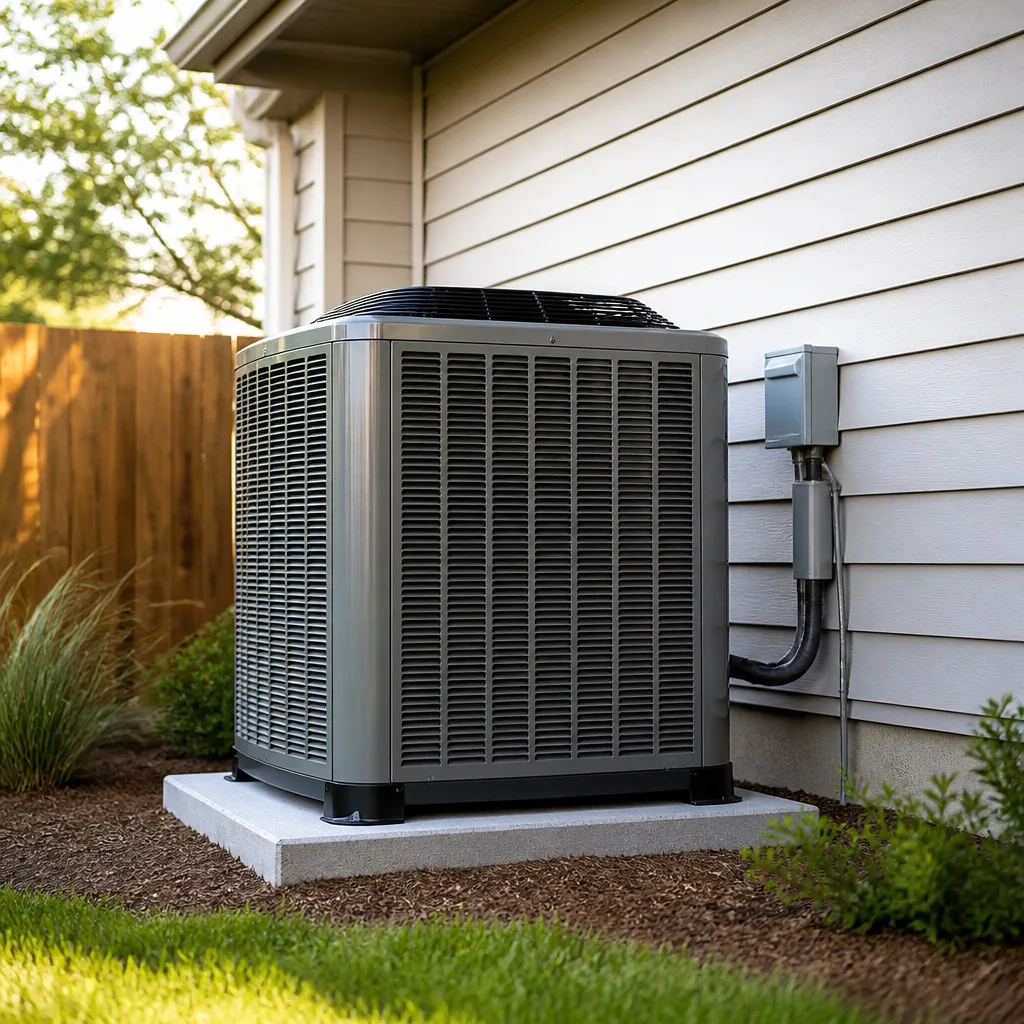 AC repair
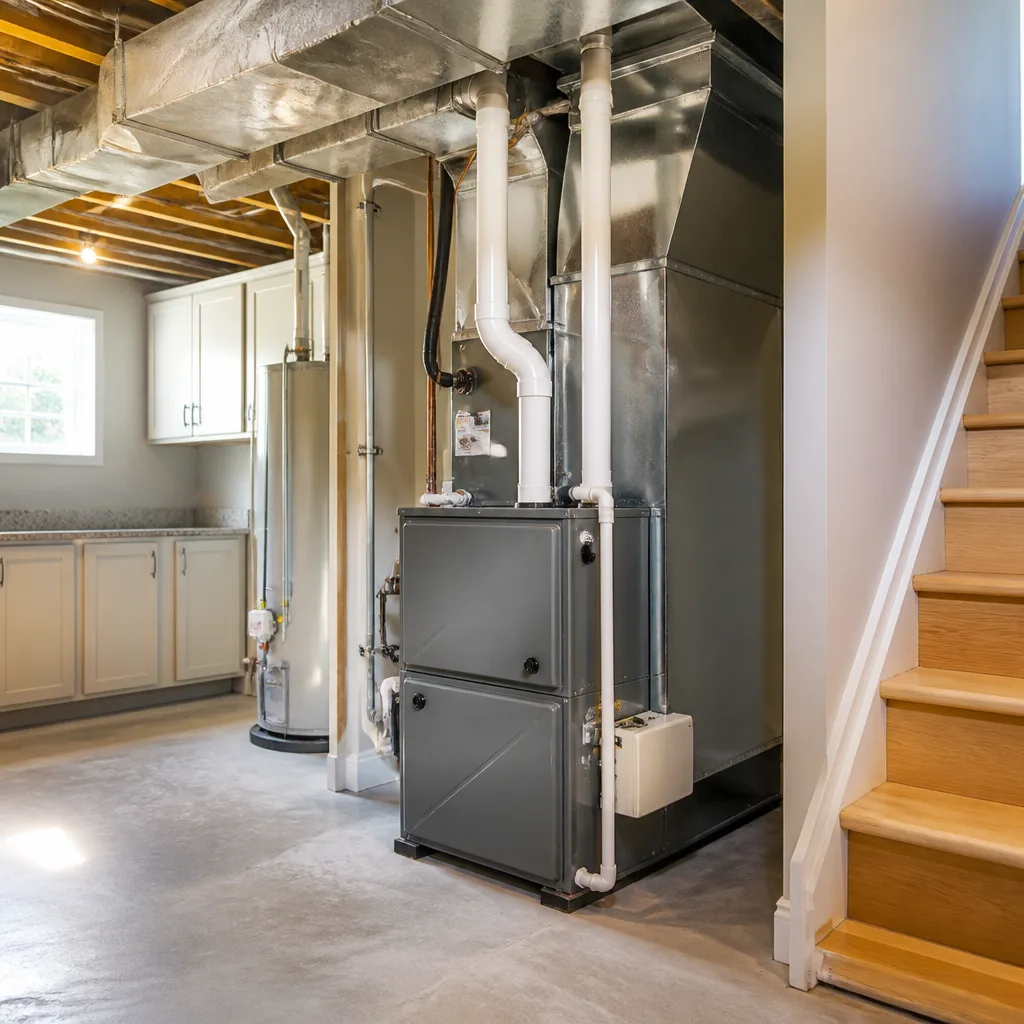 Furnace & heating
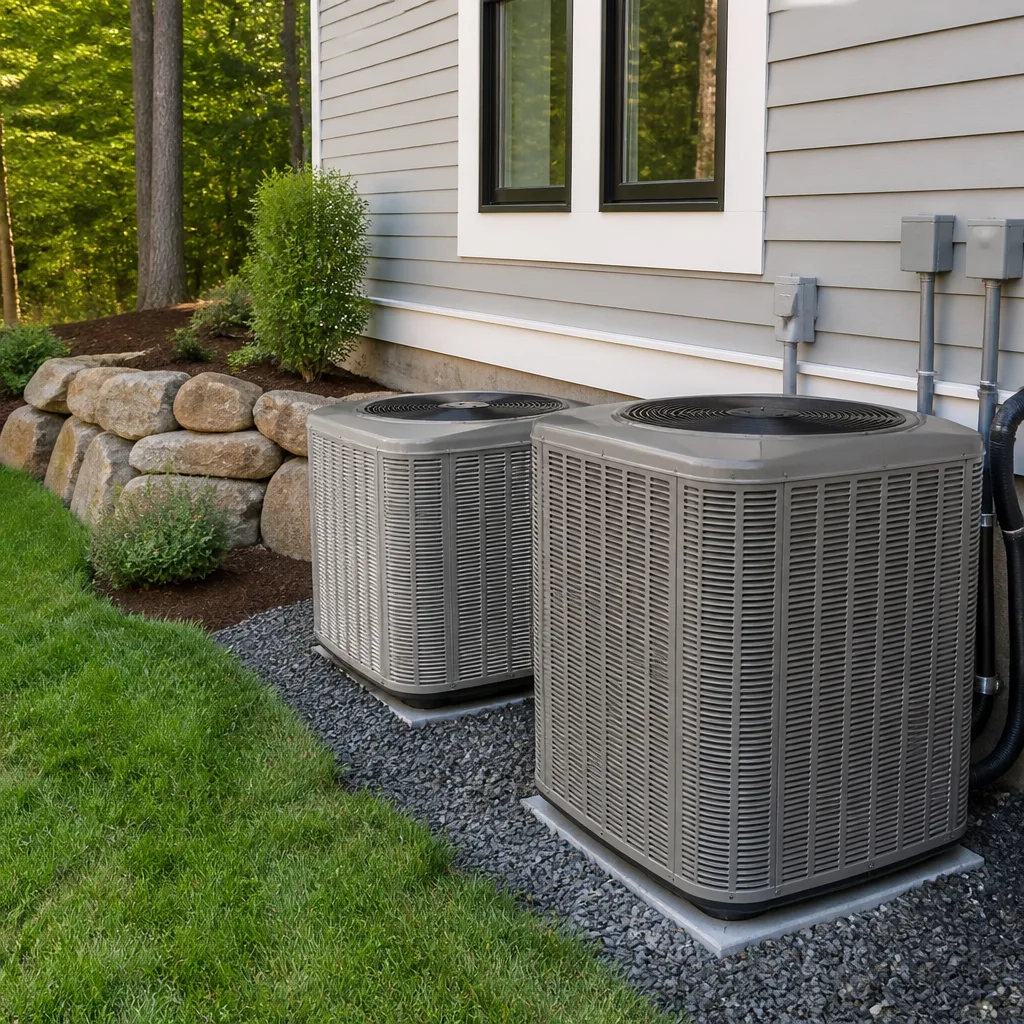 Heat pumps
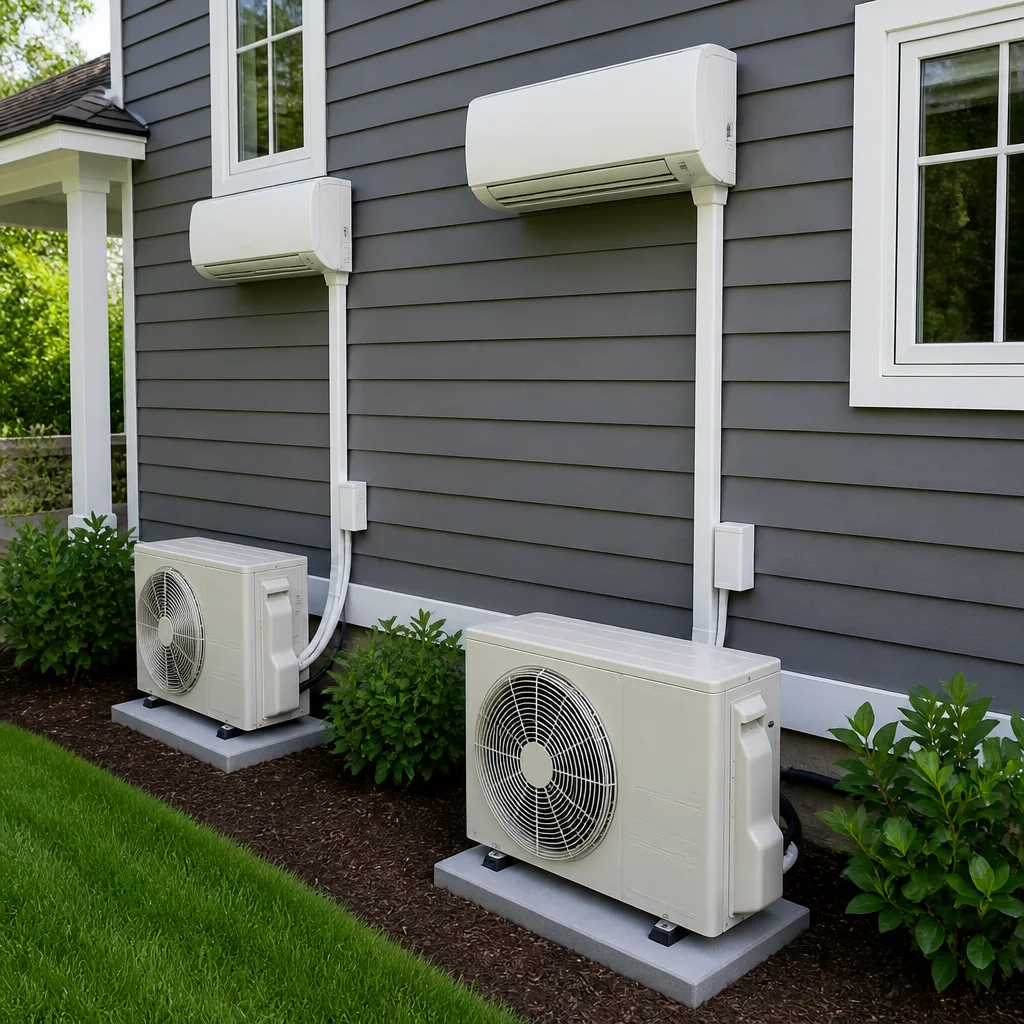 Ductless mini splits
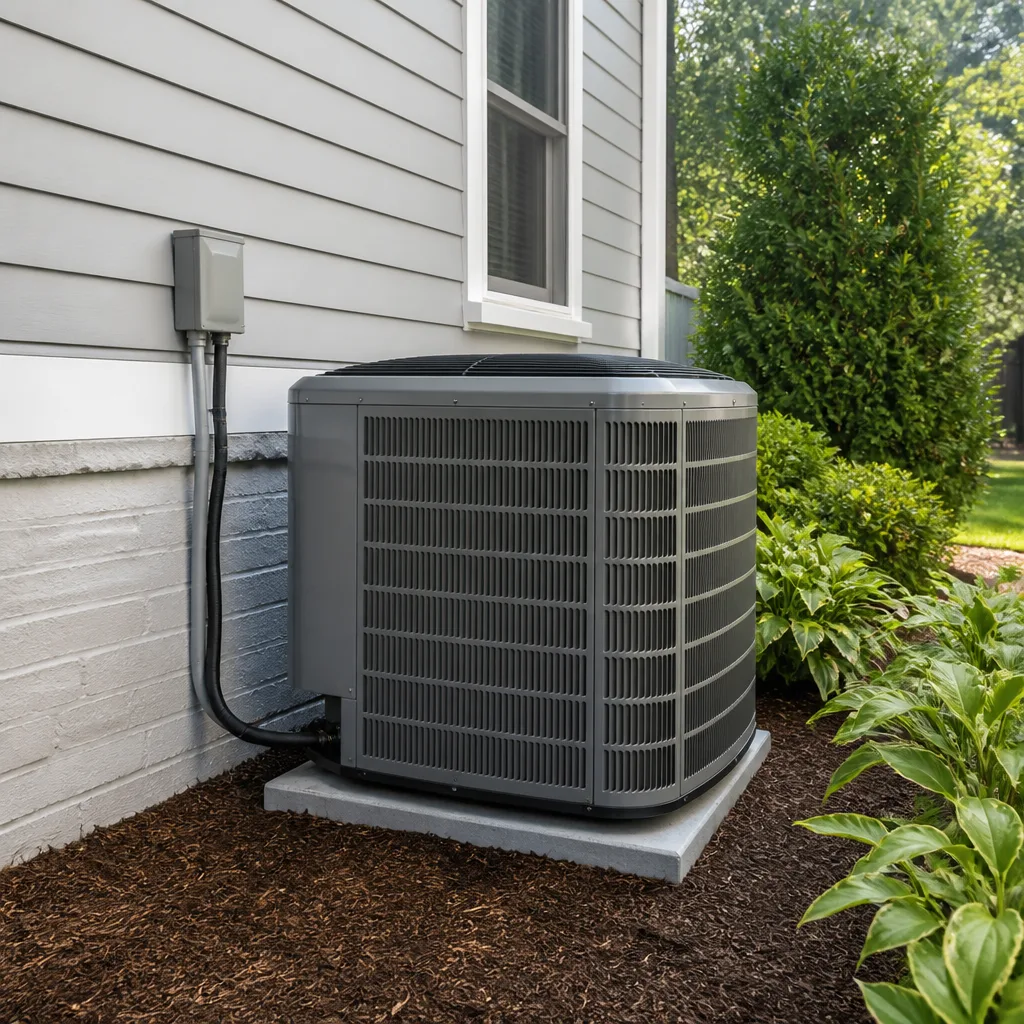 Carrier
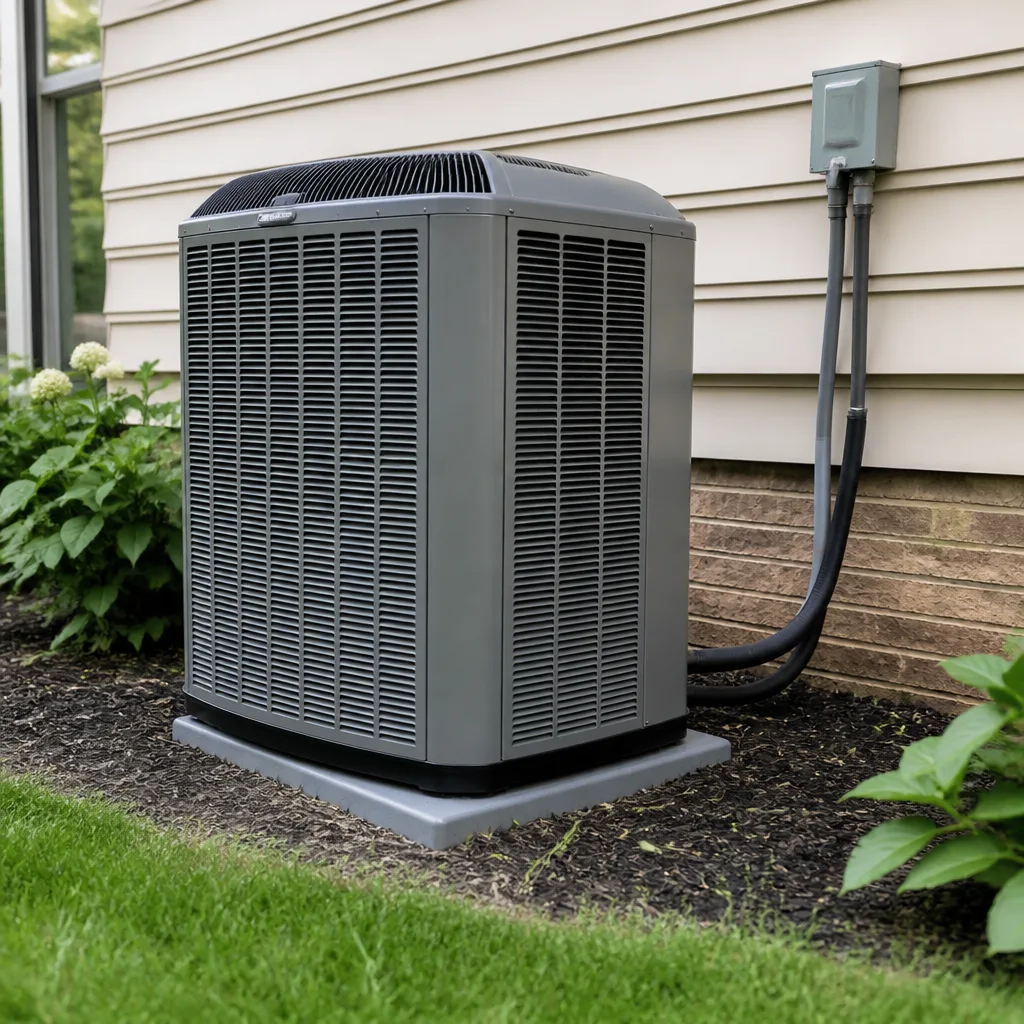 Trane
Trane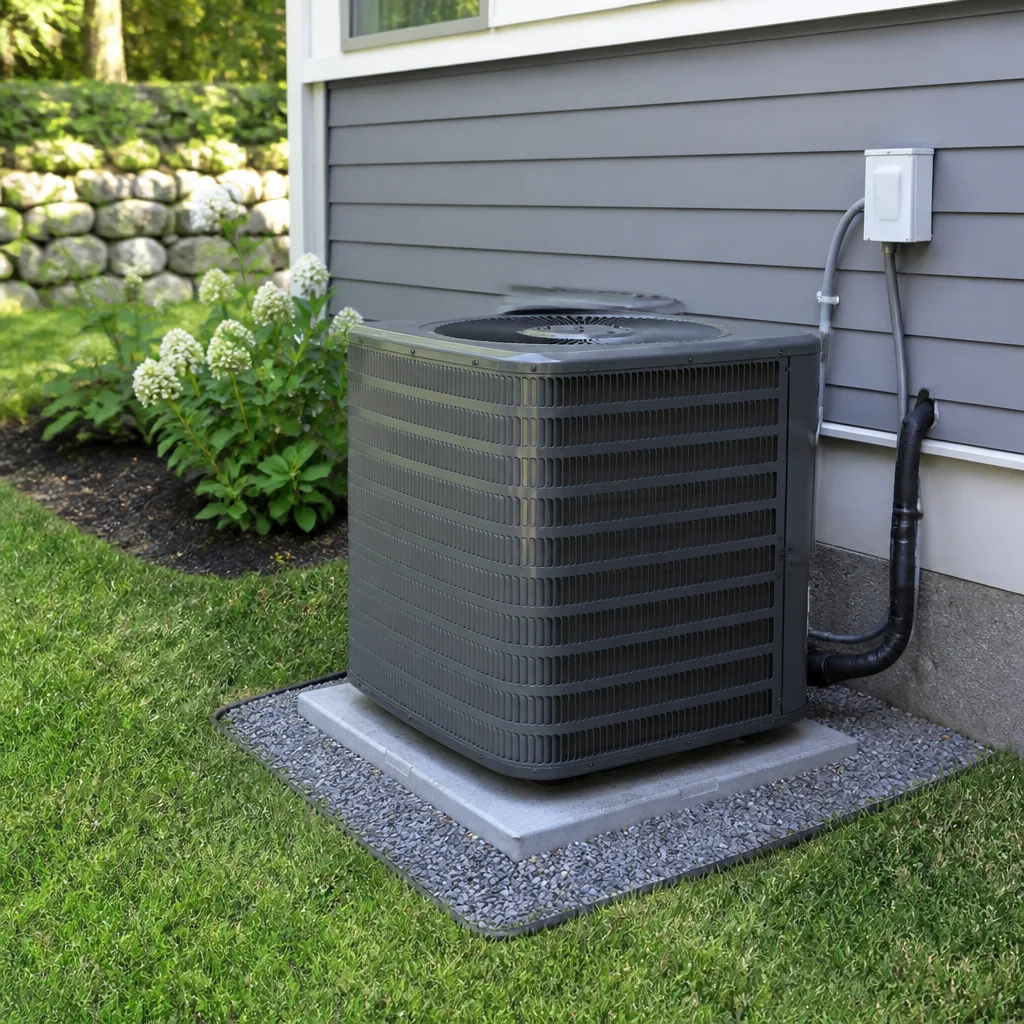 Goodman
Seasonal tune-up and full diagnostic on your Carrier, Trane, or Goodman system - readings shown to you before any repair is proposed
Diagnosis first, numbers second - you approve the repair price before a single part goes in.
Get your free estimateHVAC Warning Signs: A Riverside Homeowner’s Reference Guide
A warm spot in one room isn’t an aesthetic complaint. In Riverside’s climate, it’s often the first measurable sign of a failing blower motor, and catching it before the motor seizes completely is the difference between a $350 repair and a $1,100 emergency call in a Riverside August. Most warning-sign articles list generic symptoms without telling you what the symptom actually costs to ignore. This guide pairs each warning sign with a realistic consequence and a dollar range, so you can make informed decisions instead of anxious ones. You’ll learn which sounds are normal, which smells demand immediate action, and how to tell the difference between a $200 fix and a $4,000 replacement before you ever pick up the phone.
Styles & brands we work with
Quick Answer
The most common HVAC warning signs in Riverside homes are warm air from vents, short-cycling (frequent on/off), unusual smells, rising energy bills with no change in usage, water pooling near the indoor unit, and airflow that feels weak in one or more rooms. A refrigerant leak typically costs $250 – $650 to repair, a failing blower motor runs $350 – $800, and a full compressor replacement can hit $1,800 – $3,200. If you smell rotten eggs or burning plastic, turn the system off and call a professional immediately – those two smells indicate gas or electrical hazards that should not wait.
Table of Contents
- Warm Air From Vents: The Two Causes That Look Identical But Cost Very Different Amounts
- Short-Cycling: Why Riverside Heat Makes This Problem Worse Than Other Climates
- Smell Profiles: Musty, Burning Plastic, and Rotten Egg – What Each One Means
- Rising Energy Bills: When It’s the System and When It’s the Rate Plan
- Water Around the Indoor Unit: What’s Normal and What’s a $900 Problem
- Noises: A Field Guide to What Your System Is Telling You
- The Riverside Decision Tree: Call Now, Schedule This Week, or Monitor
- Common Mistakes to Avoid
- When to Call a Professional
- Frequently Asked Questions
- The Bottom Line
Warm Air From Vents: The Two Causes That Look Identical But Cost Very Different Amounts
Warm air blowing from your vents when the thermostat is set to cool has two primary causes in Riverside homes: low refrigerant from a leak, or a dirty evaporator coil that can’t absorb heat efficiently. Both feel exactly the same to a homeowner sitting in the living room. The fixes, however, are completely different – and so are the price tags. A dirty coil typically costs $150 – $350 to clean professionally. A refrigerant leak requires finding the leak, repairing it, and recharging the system, which runs $250 – $650 for most residential systems. If the leak is in the evaporator coil itself, you’re looking at $900 – $1,800 for coil replacement.
How to Tell the Difference by Sound and Airflow
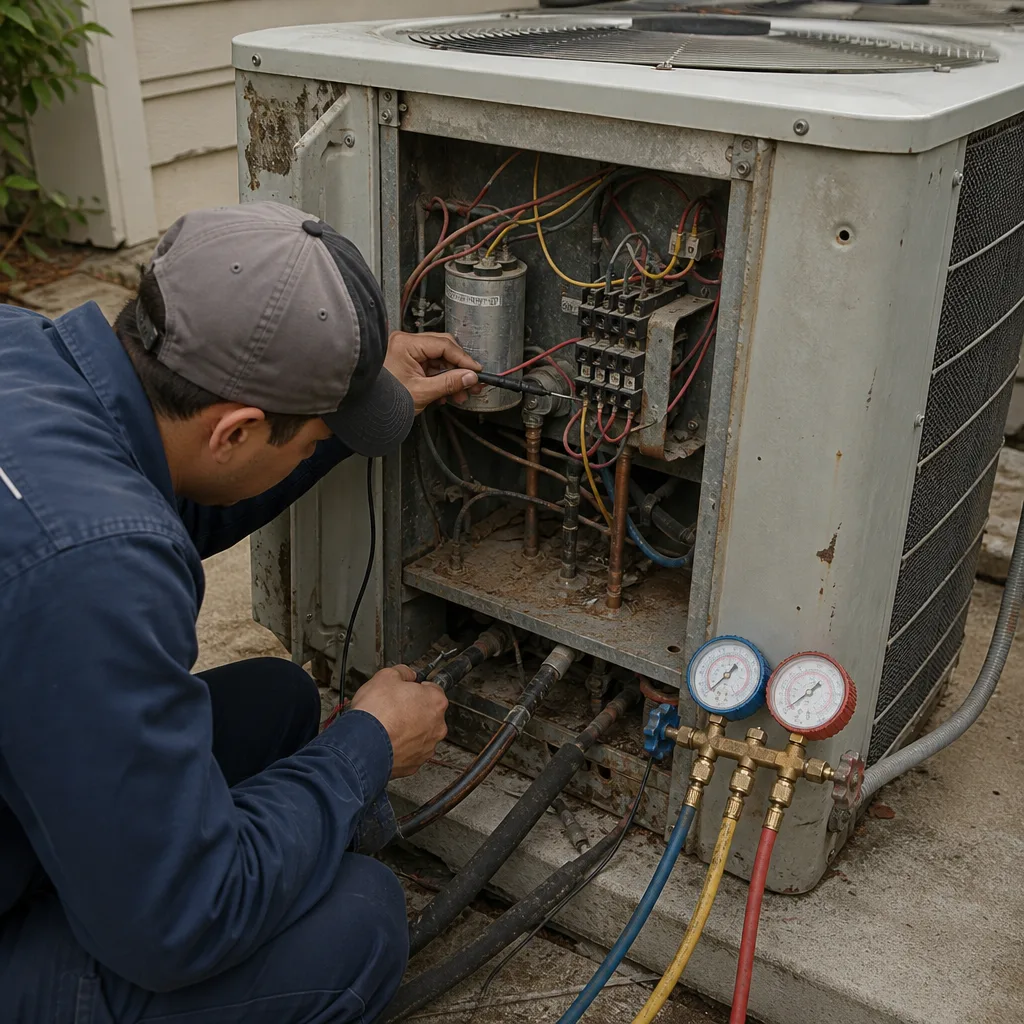
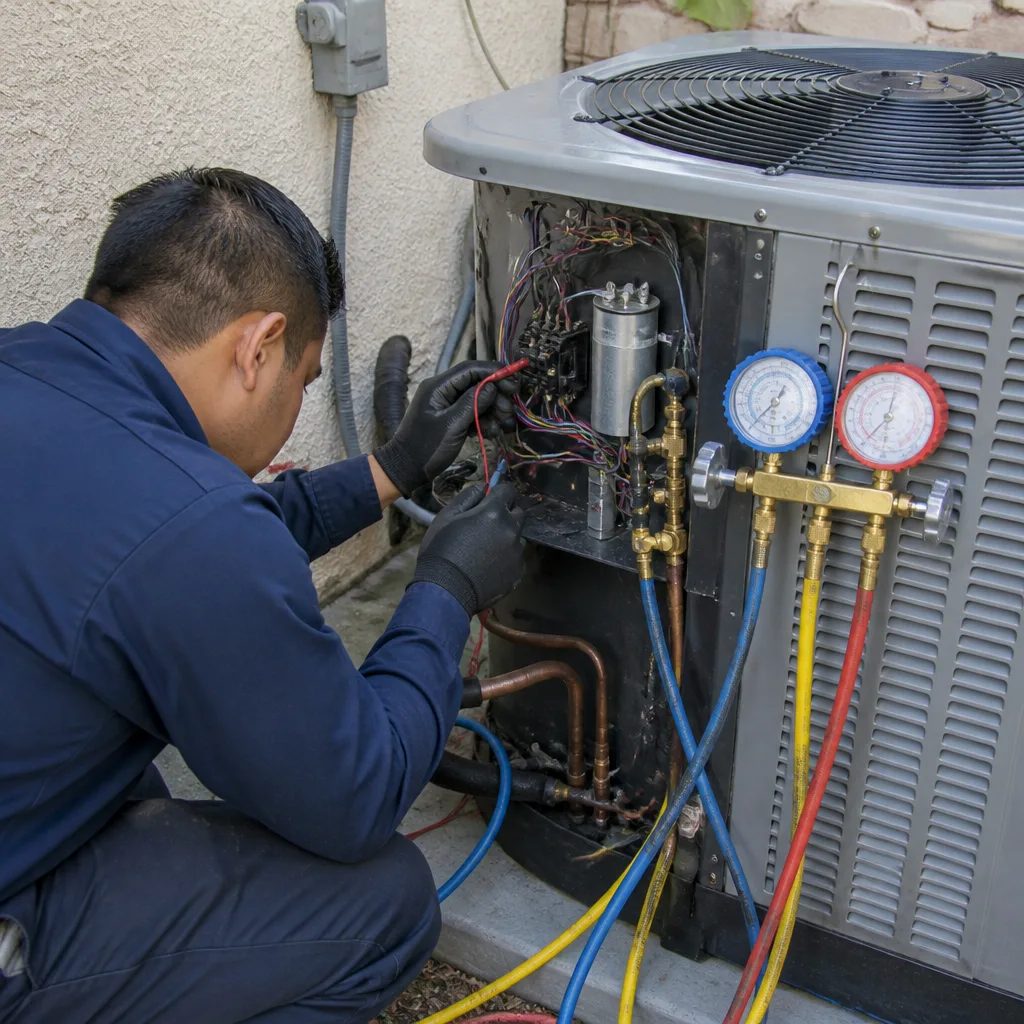
Here’s the field test we use when someone calls our AC Repair in Riverside team about warm air. A dirty coil usually produces weak airflow from the start of the cycle – the air coming out is cool-ish but barely moving. A refrigerant leak, by contrast, often produces normal airflow but the air feels progressively warmer. Listen to the outdoor unit: a system low on refrigerant will sometimes make a hissing or bubbling sound near the copper line set, especially when the system first kicks on. A dirty coil doesn’t make that sound. Both problems require a technician with a manifold gauge to confirm, but knowing which one you’re likely dealing with helps you prepare for the right price range. In Riverside’s sustained heat, running a low-refrigerant system for even two weeks compounds the problem – the compressor works harder against lower pressure, and that’s where the real repair costs start to climb.
Short-Cycling: Why Riverside Heat Makes This Problem Worse Than Other Climates
Short-cycling is when your AC turns on and off every few minutes instead of running a full 10 – 15 minute cycle. In a moderate climate, short-cycling wastes energy and adds wear. In Riverside, where summer temperatures regularly exceed 100°F, short-cycling is genuinely destructive. Here’s why: your compressor needs a minimum runtime to properly circulate refrigerant oil through the system. When the unit cycles off after only 3 – 5 minutes, the oil doesn’t fully return to the compressor. Over time, the compressor runs increasingly under-lubricated. A compressor that might last 12 – 15 years in a mild climate can fail in 6 – 8 in Riverside’s heat if short-cycling goes unaddressed through multiple summers. Compressor replacement runs $1,800 – $3,200 on most residential systems, and at that price point you’re halfway to a full AC Installation in Riverside with a new warranty.
Common Causes of Short-Cycling
- Oversized system: A unit that’s too large for the home cools the space too quickly and shuts off before completing a proper cycle. This is a design problem, not a repair problem, and it’s frustratingly common in Riverside homes where builders installed “bigger is better” units.
- Dirty air filter: Restricted airflow causes the system to overheat and trip its own safety limits. Filter replacement costs $15 – $45 and fixes this immediately.
- Faulty thermostat: A thermostat placed in direct sunlight or near a heat source reads the room wrong and cycles the system erratically. Replacement runs $150 – $350 installed.
- Refrigerant overcharge or undercharge: Both cause pressure swings that trip safety switches. Diagnosis is $90 – $150 and usually included in the repair cost.
- Electrical issue: A failing capacitor or contactor can cause intermittent starts. Capacitor replacement runs $150 – $250.
In our experience on Meadowsweet Heating and Air Riverside home service calls across neighborhoods like Canyon Crest and Wood Streets, the single most common short-cycling culprit we find is a clogged filter, and the second is an aging capacitor. The filter is a five-minute fix you can do yourself. The capacitor needs a trained technician because capacitors store electrical charge even when the power is off – that’s not a DIY job.
Smell Profiles: Musty, Burning Plastic, and Rotten Egg – What Each One Means
Smell is the most reliable early-warning system your HVAC has, and the specific smell tells you exactly what category of problem you’re facing. Here are the three smell profiles Riverside homeowners report most often, paired with what they mean and what they cost.
Musty or “Dirty Sock” Smell
A musty smell coming from your vents usually means biological growth in the condensate drain pan or on the evaporator coil. Riverside’s dry heat might make you think this is rare, but the indoor evaporator coil operates in a constantly wet environment during cooling months. If the drain line is partially clogged, water sits longer than it should, and growth follows. The fix typically involves cleaning the coil, flushing the drain line, and in some cases installing a UV light to prevent recurrence. Coil cleaning runs $150 – $350. UV light installation runs $350 – $650. Left unaddressed, the growth spreads into the ductwork, and duct cleaning in a typical Riverside home runs $400 – $900.
Burning Plastic or Electrical Smell
This is an electrical problem, and it’s one of the two smells on this list that should trigger an immediate shutdown. A burning plastic smell means a component is overheating – most commonly a failing capacitor, a motor winding, or wiring insulation breaking down. Turn the system off at the thermostat and at the breaker, then call a professional. Continuing to run a system with an electrical burning smell risks damage to the control board ($300 – $600), the blower motor ($350 – $800), or in worst cases a fire. This is not a “monitor and see” situation.
Rotten Egg or Sulfur Smell
Rotten egg smell from a gas furnace means a gas leak. Natural gas is odorless; utility companies add mercaptan specifically so you can smell a leak. This is the most urgent smell on this list. Turn off the furnace immediately, don’t operate anything electrical (light switches included), open windows if safe to do so, leave the house, and call your gas utility’s emergency line. After the utility clears the property, a Furnace Repair in Riverside technician can locate and repair the source. Gas leak repairs typically run $150 – $500 depending on the component, but no repair cost matters until the leak is contained. Do not treat a rotten egg smell as an HVAC inconvenience – it’s a safety emergency.
Rising Energy Bills: When It’s the System and When It’s the Rate Plan
Riverside Public Utilities customers saw notable rate changes in the last few years, which means a higher bill isn’t automatically a system problem. The first step is comparing your usage, not your cost. Your bill shows kilowatt-hours used, not just dollars charged. If your usage stayed flat but your bill rose, the rate changed – not your AC. If your usage rose 20% or more with no change in thermostat settings, occupancy, or weather, the system is working harder to produce the same cooling, and that’s a red flag. A system that’s 15% less efficient due to a dirty coil, low refrigerant, or failing capacitor will consume 15% more electricity to produce the same indoor temperature. On a Riverside summer bill of $350, that’s an extra $52 a month – over $180 across the cooling season. The repair often costs less than the accumulated waste.
Energy-Warning Checklist
- Pull your last 12 months of bills and compare kilowatt-hours, not price.
- Note any thermostat changes – someone in the household may have set it lower without telling you.
- Check the air filter. A severely clogged filter adds measurable load.
- Look at the outdoor unit during operation – is it running longer than it used to for the same temperature change?
- If usage is up with no lifestyle change, schedule a diagnostic. Most Riverside HVAC companies charge $90 – $150 for a system diagnostic, which is less than one month of the waste.
Water Around the Indoor Unit: What’s Normal and What’s a $900 Problem
Your air conditioner produces condensate whenever it runs – that’s normal physics, not a defect. In Riverside’s dry heat, you might not see much of it, because dry air means less moisture to extract. But if you see water pooling around the indoor unit or water stains on the ceiling below an attic installation, the condensate is not draining where it should. The drain line can clog with dust and biological growth (common in homes that run the AC heavily from May through October). The condensate pump can fail (simple fix, $150 – $300). Or the drain pan can rust through on older systems (bigger fix, $300 – $600). What makes this a $900 problem is ignoring it: water that backs up overflows onto the control board, the blower motor, or through the ceiling. Control board replacement runs $400 – $700. Ceiling repair depends on your contractor, but add at least $300 – $500. A $200 drain line flush in June prevents a $900 – $1,200 repair in August. Our technicians see this pattern every summer in Riverside homes, and the water damage is always worse than the drain line would have been.
Noises: A Field Guide to What Your System Is Telling You
Your HVAC system makes sounds by design – the compressor hums, the blower moves air, the outdoor fan spins. But distinct new sounds are diagnostic clues. Here’s a field guide to the most common ones, matched to their typical cause and repair cost in 2026 Riverside dollars.
- Screeching or squealing at startup: Usually a failing blower motor bearing or a slipping belt on older systems. Bearing replacement runs $200 – $400; full blower motor replacement runs $350 – $800.
- Banging or clanking from the outdoor unit: A failing compressor mount or internal compressor damage. This is serious. Compressor replacement runs $1,800 – $3,200.
- Clicking that repeats every few minutes: Often a failing capacitor or contactor. Capacitor replacement runs $150 – $250; contactor replacement runs $100 – $200.
- Hissing from the indoor unit: Refrigerant escaping from a leak point, or normal expansion valve operation. If the hissing is persistent during operation, have a technician check refrigerant levels.
- Rattling from the vents: Loose ductwork, a failing damper, or debris in the ducts. Inspection runs $90 – $150; duct repair varies widely based on access.
- Continuous humming with no startup: A capacitor that has failed completely or a seized motor. The system is trying to start and cannot. Turn it off to prevent motor damage and call for service.
One note about Riverside specifically: our dry climate means less rust and corrosion than coastal homes, but more dust infiltration. Dust builds up on blower wheels and motor bearings faster here than in damper climates, which is why noise-related failures tend to happen in August rather than April. We service nine major equipment brands including Carrier, Daikin, and American Standard, and we see the same pattern across all of them: Riverside’s airborne dust accelerates bearing wear. A seasonal inspection in spring – usually $90 – $150 – catches most noise problems before they become $800 motor failures.
The Riverside Decision Tree: Call Now, Schedule This Week, or Monitor
Not every warning sign requires the same response. Here’s a simple decision tree, because acting on every symptom as if it’s an emergency is as unhelpful as ignoring a real one. This framework is built specifically for Riverside’s climate and typical home systems.
Call Now – Same Day
- Rotten egg smell from a gas furnace – gas leak, exit and call utility first
- Burning plastic or electrical smell – shut off at breaker, call a technician
- Banging or clanking from the outdoor unit – internal compressor damage worsens by the hour
- Rapidly rising indoor temperature with the system running constantly – system failure in progress
Schedule This Week
- Warm air that is steadily getting warmer – refrigerant leak or failing coil
- Short-cycling every few minutes – compressor wear accelerates quickly in Riverside heat
- Water pooling around the indoor unit – drain line clog, easy fix now, expensive fix later
- Screeching or squealing that is getting louder – bearing failure
- Energy usage up 20% or more with no lifestyle change – diagnostic needed
Monitor and Note
- Occasional musty smell when the system first kicks on – note it, but if it persists more than a week, schedule a visit
- Intermittent clicking that resolves on its own – note the frequency and weather conditions
- A single warm room while the rest of the house is cool – possible duct damper issue; check dampers before calling
- Higher bill in a month with extreme heat – compare usage, not just cost, before assuming a system problem
The point of this framework is simple: you shouldn’t be panicked into urgency you don’t need, and you shouldn’t be lulled into complacency on a problem that compounds. Riverside’s summer temperatures are unforgiving, and small issues become large failures quickly when the system is running 12 – 16 hours a day.
Common Mistakes to Avoid
- Ignoring the filter all summer and then blaming the AC: A Riverside summer puts serious demand on a system. Running with a clogged filter for even three weeks of 100°F days is enough to ice the coil and trigger a shutdown. Change filters monthly during peak cooling season, or every 60 days with pets.
- Setting the thermostat to 68°F during a heat wave: Single-stage systems aren’t designed for that kind of temperature delta in Riverside’s extreme heat. The system runs nonstop, the compressor overheats, and a $250 capacitor failure becomes an $2,800 compressor failure. Set realistic temperatures and use ceiling fans.
- Adding refrigerant without finding the leak: Any technician who tops off refrigerant without locating and repairing the leak is selling you a temporary fix. Refrigerant doesn’t get “used up” – if it’s low, it leaked somewhere. Demand a leak search before a recharge.
- Running an AC that smells like burning plastic “just to see if it clears”: It won’t clear. Electrical problems don’t self-heal; they progress. Every minute of operation during an electrical fault risks the control board and wiring harness.
- Using a smart thermostat without checking placement: Smart thermostats are only as smart as their location. One placed on a wall that gets western Riverside afternoon sun will call for cooling constantly while other rooms feel warm. This mimics short-cycling and costs you both comfort and money.
- Delaying a repair because “it still cools okay”: Systems don’t fail suddenly without warning in most cases; they degrade gradually. The $250 fix you defer in July becomes the $1,200 repair in September. In Riverside’s climate, deferral is the most expensive choice you can make.
When to Call a Professional
Call a professional when the smell is electrical or gas-related, when the outdoor unit is making impact sounds, when the system short-cycles repeatedly, or when the AC has stopped cooling entirely. Also call when you’ve been monitoring a symptom for more than two weeks and it hasn’t improved. A diagnostic visit costs $90 – $150 in the Riverside market, and it gives you a specific answer instead of a guess. Meadowsweet Heating and Air Riverside offers free estimates in Riverside – call (707) 340-6380 for a diagnostic or a second opinion on a quoted repair. Our technicians cover all nine major brands we service, including Bryant and Trane, so you’re getting accurate brand-specific diagnosis rather than a generic assessment.
Frequently Asked Questions
A typical HVAC repair in Riverside runs $150 – $650 for common issues like capacitors, contactors, drain line clogs, and refrigerant leak repairs. More involved repairs like blower motor replacement run $350 – $800, and compressor replacement runs $1,800 – $3,200. A full system replacement in Riverside typically starts around $7,500 and ranges up to $15,000+ depending on size, efficiency, brand, and ductwork condition. For an exact quote, call (707) 340-6380 – estimates are free.
The fastest way to distinguish a refrigerant leak from a dirty coil is by airflow pattern: a dirty coil produces weak airflow from the vents with air that’s still somewhat cool, while a refrigerant leak typically produces normal airflow with air that gets progressively warmer. Refrigerant leaks also sometimes produce a hissing sound near the line set. A technician with a manifold gauge can confirm in minutes.
The repair-or-replace decision depends on the repair cost relative to the system’s remaining life. A good guideline: if the repair cost multiplied by the system’s age in years exceeds $5,000, replacement usually makes more financial sense. For example, a $1,500 repair on a 14-year-old system ($21,000) strongly favors replacement. A $300 repair on a 10-year-old system ($3,000) favors repair. In Riverside, where systems work hard for 6 – 8 months a year, effective age is higher than calendar age. Call us at (707) 340-6380 for an honest assessment – we’ll tell you when it’s time to stop repairing.
Most Riverside HVAC companies offer same-day emergency service during cooling season, with response times typically ranging from 2 – 8 hours depending on how early you call and the day’s service volume. At Meadowsweet Heating and Air Riverside, a live person answers the phone 24 hours a day – no voicemail, no answering service, no call-back queue. If it’s July in Riverside and your AC is down, call (707) 340-6380 and we’ll work you into the same-day schedule.
Yes, Riverside Public Utilities offers rebates for qualifying high-efficiency HVAC equipment, and federal tax credits under the Inflation Reduction Act remain available for certain heat pump and high-efficiency AC installations through 2032. The exact rebate amount depends on the equipment’s efficiency rating and the program’s current terms. We handle the paperwork on every AC Installation in Riverside we complete, so you get the rebate without tracking down forms.
In Riverside’s hot, dry climate, the average HVAC system lasts 12 – 15 years for air conditioners and 15 – 20 years for gas furnaces, assuming regular maintenance. Riverside systems tend to fail on the lower end of that range compared to coastal homes because the cooling season is longer and the compressor accumulates more runtime hours per calendar year. A system that’s well-maintained in Riverside can reach the upper end of that range; one that’s neglected may not make it to 10.
The Bottom Line
Your HVAC system talks to you constantly. It talks through noises, smells, airflow, water, and your electric bill. The skill is learning to translate those signals accurately – to know which ones are urgent, which ones are worth a phone call this week, and which ones you can note and watch. The most expensive HVAC lesson in Riverside is ignoring a slow-developing problem until it becomes a catastrophic one. A $200 drain flush now prevents a $900 control board later. A $250 capacitor today prevents a $2,800 compressor next month. And when something is genuinely wrong, a diagnostic visit costs less than a month of wasted electricity. For more guides & resources, explore our blog.
If you’re in Riverside and you’re noticing any of the warning signs described here, call Meadowsweet Heating and Air Riverside at (707) 340-6380. We’ll send a background-checked, uniformed technician who will give you a written price before any work starts, wear shoe covers and lay drop cloths in your home, and send you a photo of the clean-up before leaving. Every job is backed by our 365-Day Done Right Promise – if it’s not done right, we make it right, no runarounds and no fine print.
Written by Luis Serrano, Owner at Meadowsweet Heating and Air Riverside, serving Riverside since 2004.
See the difference
 Before
 After
After Before
 After
After Before
 After
After