
Last updated October 16, 2026
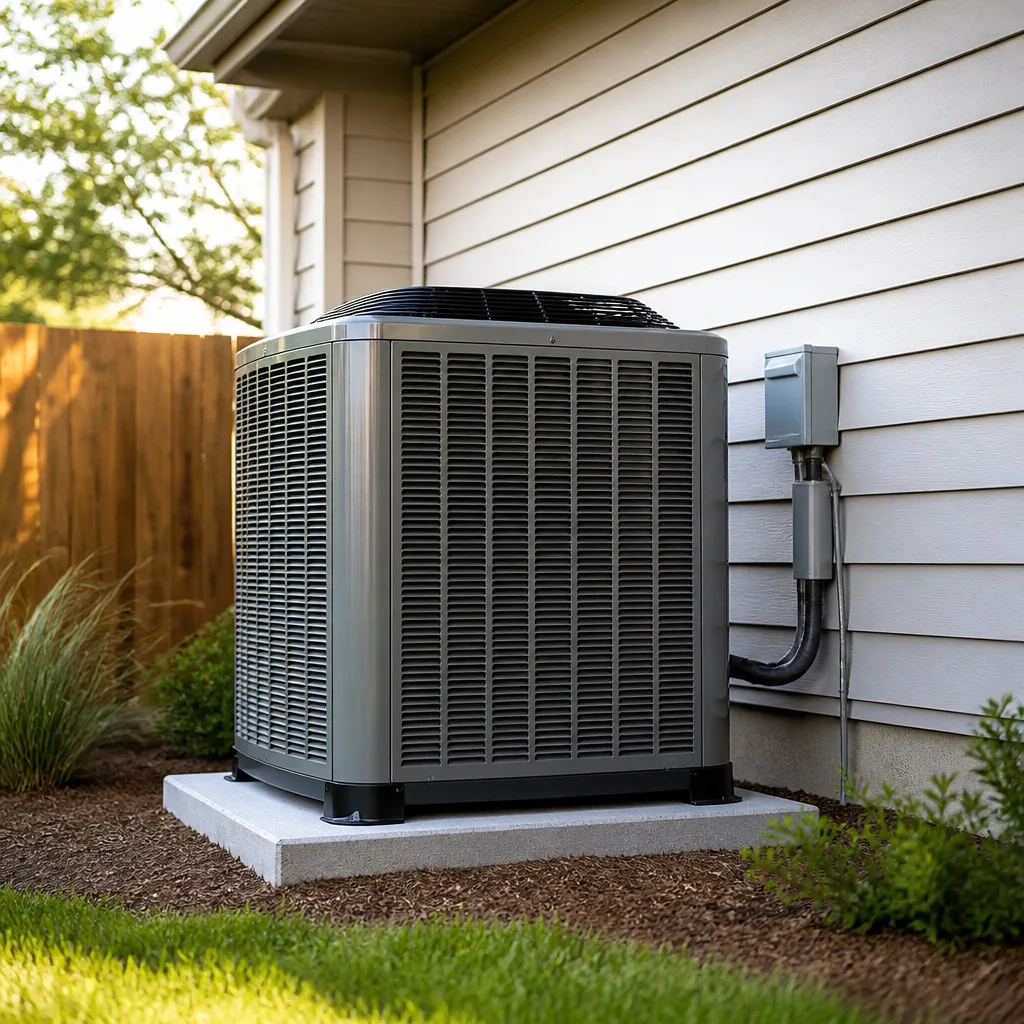 AC repair
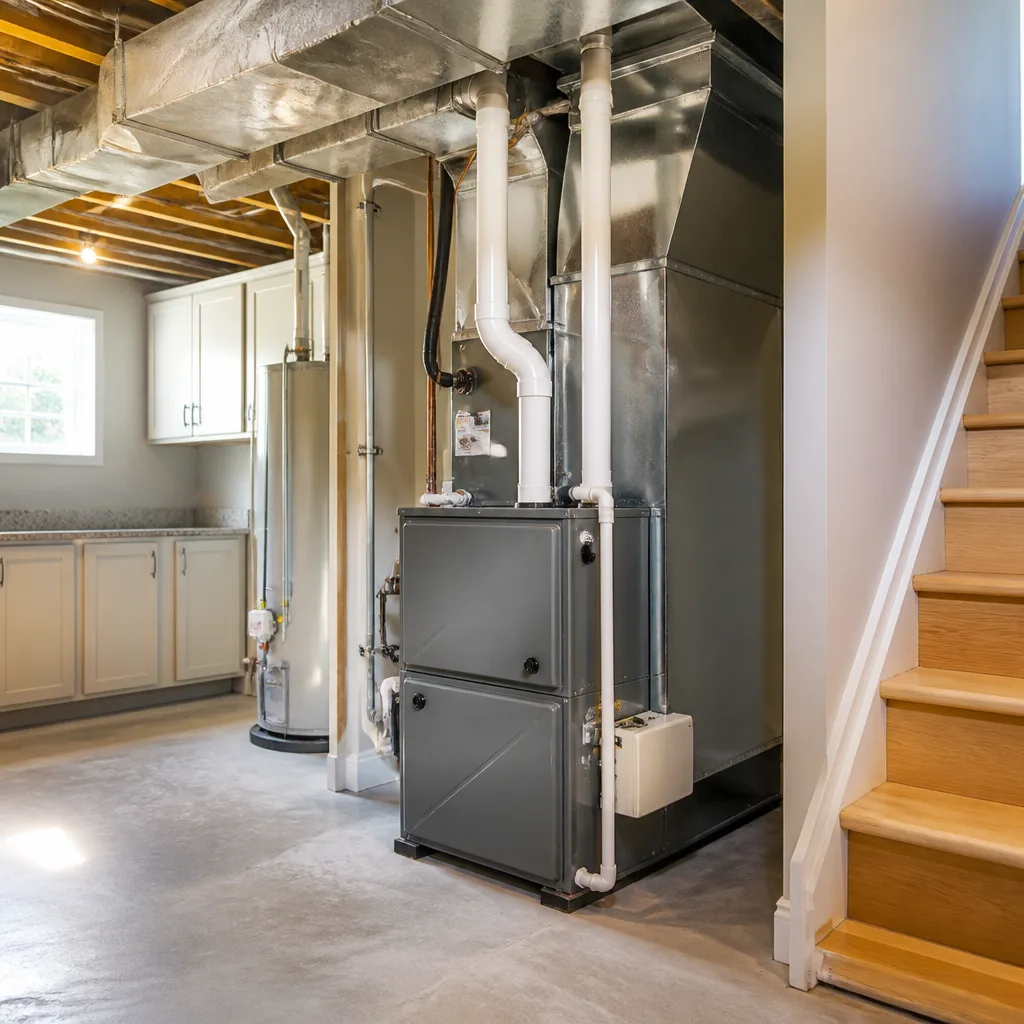 Furnace & heating
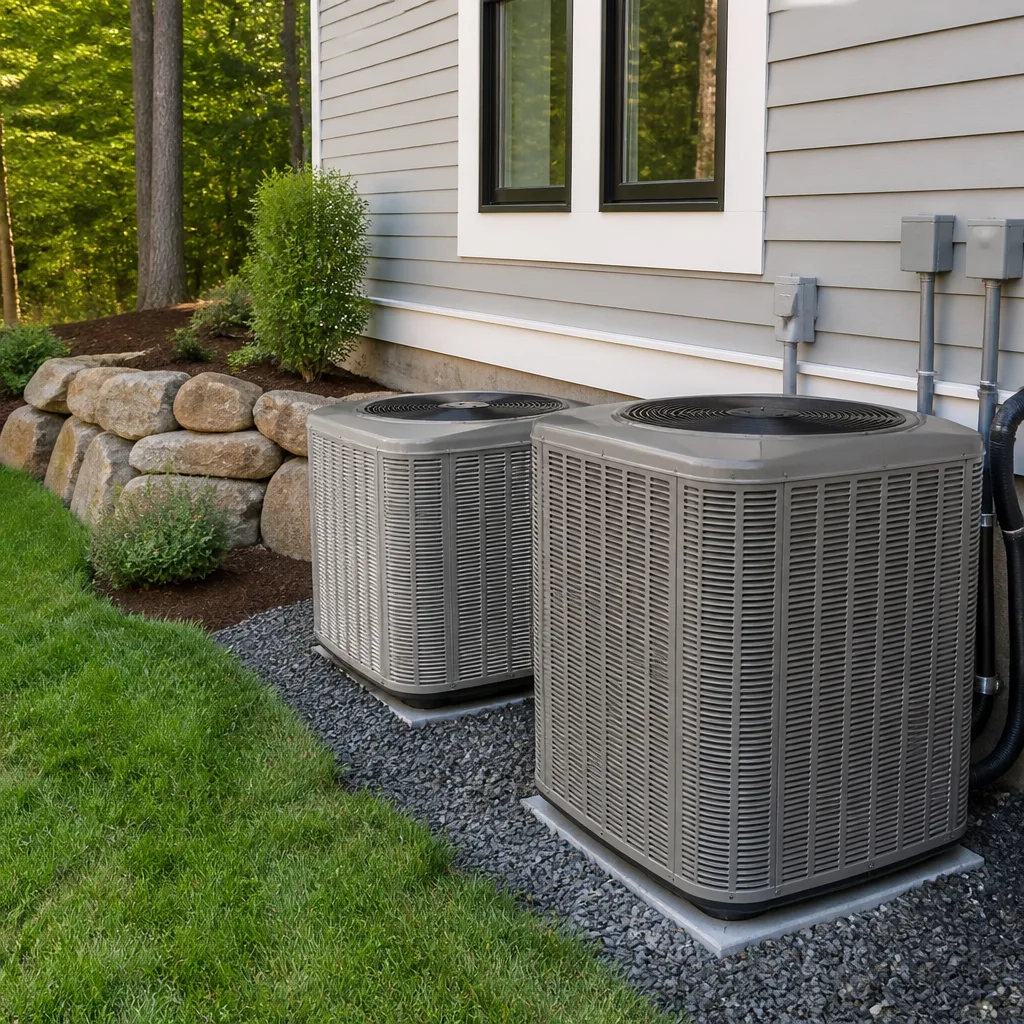 Heat pumps
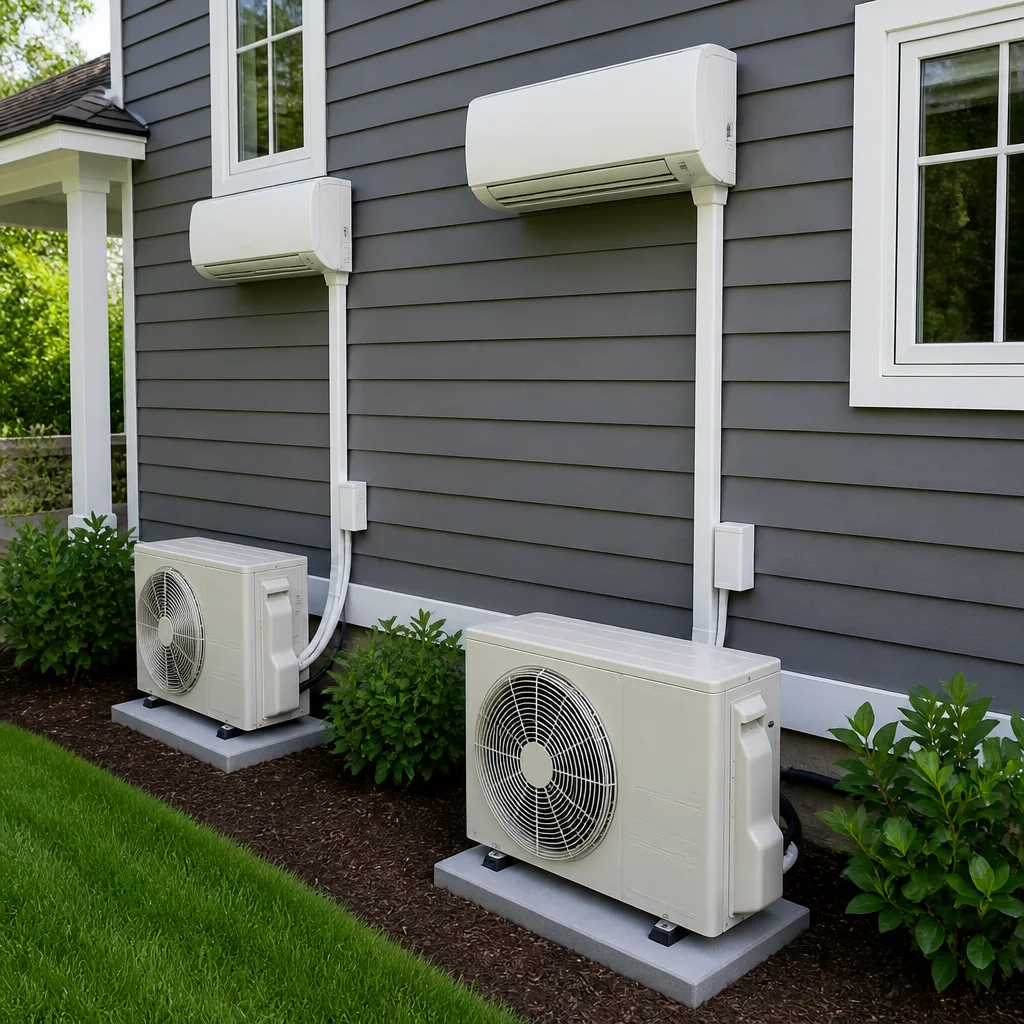 Ductless mini splits
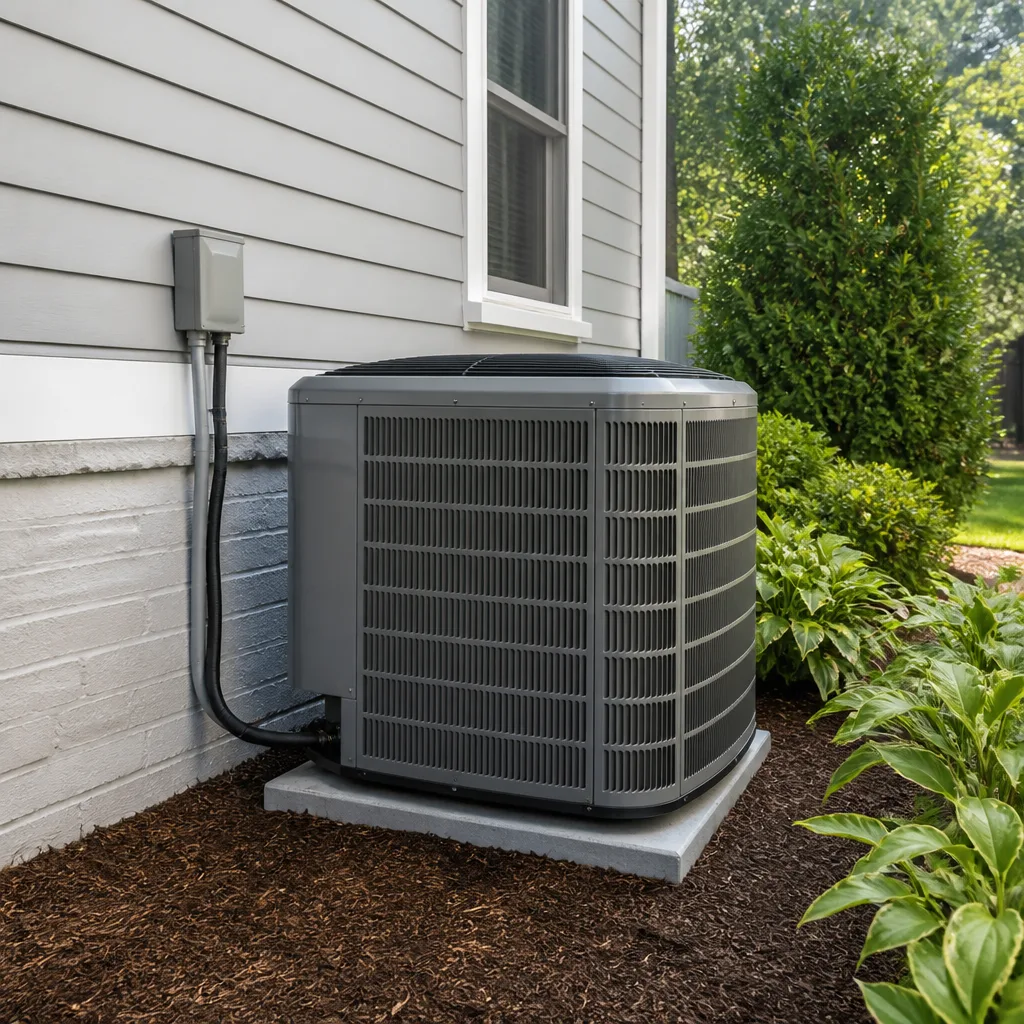 Carrier
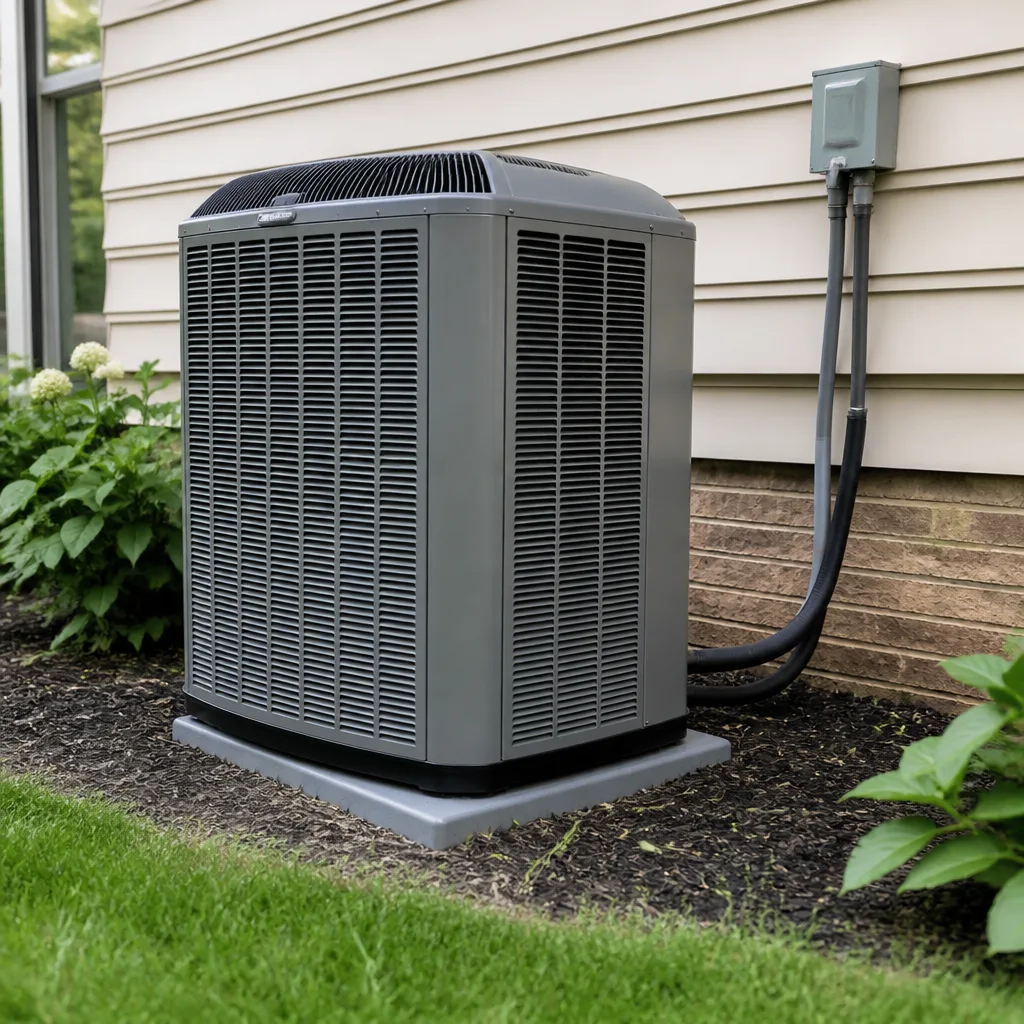 Trane
Trane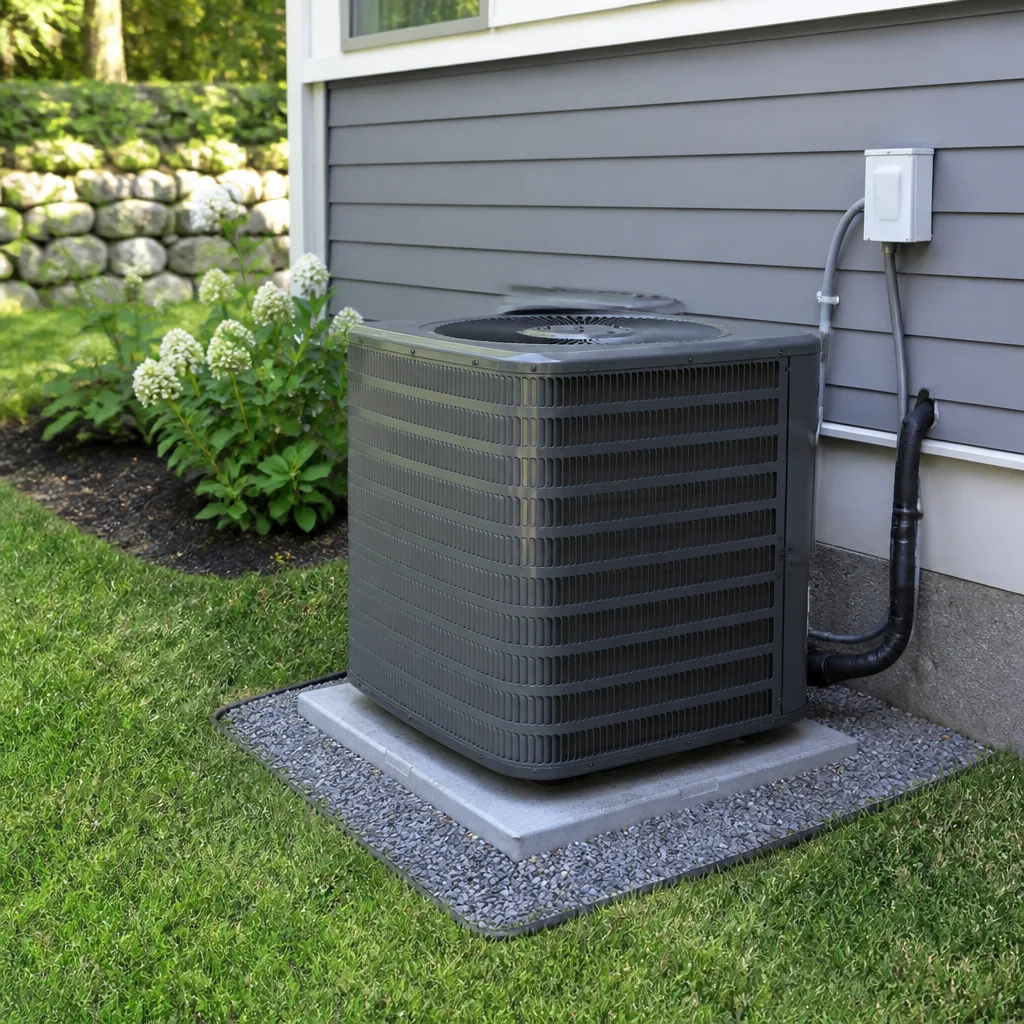 Goodman
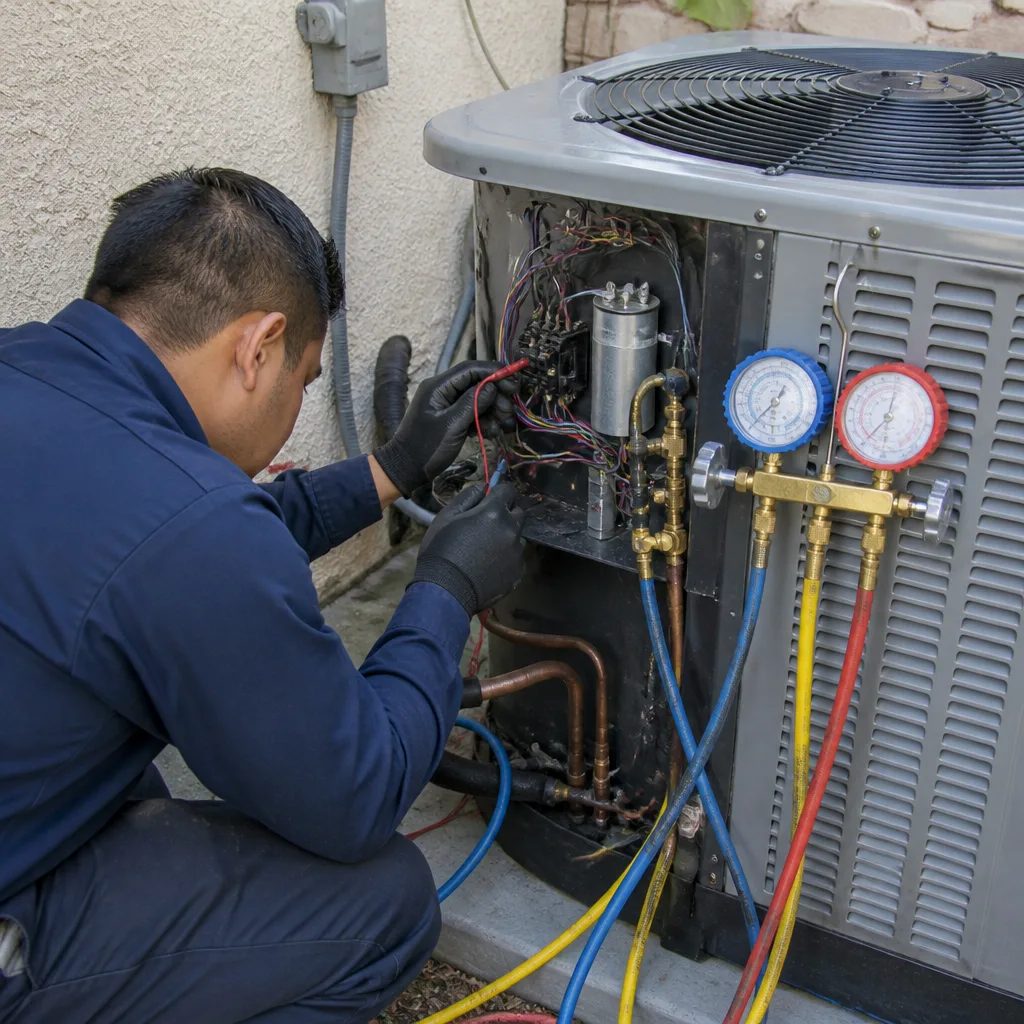
Seasonal tune-up and full diagnostic on your Carrier, Trane, or Goodman system - readings shown to you before any repair is proposed
Diagnosis first, numbers second - you approve the repair price before a single part goes in.
Get your free estimateHow to Hire a HVAC Contractor in Riverside: A Step-by-Step Guide
Most hiring guides for heating and air conditioning work give you the same three words: get three quotes. That’s fine advice, but it’s also incomplete. A quote is only as good as the contract behind it, the license on file, and the crew who shows up at your front door. The California Contractors State License Board logged hundreds of HVAC-related complaints in a recent 12-month period, and the single most common trigger wasn’t bad workmanship. It was a price that changed after the job started. This guide walks Riverside homeowners through the exact steps, license checks, contract clauses, and interview questions that separate a contractor who earns your trust from one who disappears after a deposit. For more guides & resources, see our blog.
Styles & brands we work with
Quick Answer
To hire an HVAC contractor in Riverside, start by verifying their active California C-20 license on the CSLB website, then require a written fixed-price contract that includes a site-cleanup standard and a labor warranty of at least one year. Interview at least two companies, ask for proof of background checks if kids or pets are in the home, and never accept a bid that omits permit fees or pressure you to sign before reading the full scope of work.
Table of Contents
- Step 1: Verify the C-20 License in Under Two Minutes
- Step 2: Ask Questions That Reveal How a Company Actually Operates
- Step 3: The Five Contract Clauses Every Riverside Homeowner Needs in Writing
- Step 4: Why Background Checks and Uniforms Matter in a Home With Kids and Pets
- Step 5: What a Fair Price Actually Looks Like in Riverside
- Step 6: The 365-Day Labor Guarantee vs. a Manufacturer Parts Warranty
- Step 7: Red Flags That Are Specific to Riverside’s HVAC Market
- Common Mistakes to Avoid
- When to Call a Professional
- Frequently Asked Questions
- The Bottom Line
Step 1: Verify the C-20 License in Under Two Minutes
Before you invite anyone into your home to look at a furnace or condenser, you want certainty about one thing: the company holds an active California C-20 license, which is the specific classification for warm-air heating, ventilating, and air-conditioning contractors. This isn’t a formality. An active C-20 license means the contractor passed a trade exam, carries the required bond, and has workers’ compensation coverage for their crews. When a contractor works without one, or operates on a suspended license, you lose most of the protections California gives homeowners, including the right to recover from the contractor’s bond if something goes wrong.
Here’s how to check it in under two minutes:
- Go to the CSLB website at cslb.ca.gov and click “Check a License.”
- Enter the contractor’s license number if you have it. If not, search by business name or the owner’s first and last name.
- Look at the status line. It should say “Active” and list “C-20 – Warm-Air Heating, Ventilating and Air-Conditioning Contractor” as the classification.
- Scroll down to check the bond amount and workers’ compensation coverage. Both should show “Current” or “Active.”
- Look for anything that says “Suspended,” “Revoked,” “Expired,” or “Arbitration.” Any of those is a red flag.
What a lapsed or suspended status actually means for your warranty is straightforward: if the license is not active at the time the work is performed, the contractor is legally barred from collecting payment, and any claims you might file against the license bond become far more complicated. It also means the contractor may not be pulling permits, which in Riverside means the work could fail a follow-up inspection and void the manufacturer’s warranty on new equipment like a Rheem or Bryant system. A license check is the cheapest insurance you’ll ever buy for a repair or AC installation in Riverside, and it takes less time than making coffee.
Step 2: Ask Questions That Reveal How a Company Actually Operates
Here’s a truth we’ve learned after years of working in Riverside homes: the best contractors don’t mind questions. They expect them. The ones who get defensive, rush you off the phone, or tell you “don’t worry about the details” are telling you exactly how the project will go. A trustworthy contractor answers a direct question with a direct answer, every time. Here are the questions that separate a real operation from a truck with a magnet on the door.
- “What’s your C-20 license number?” A licensed contractor will give it to you without hesitation. Then verify it on the CSLB website. The whole exchange should take about 30 seconds.
- “Will I get a written price before any work starts?” The answer should be yes, without conditions. A written price means the number is on paper with the exact scope of work. If a company can’t or won’t put the price in writing before starting, walk away. Every job at Meadowsweet Heating and Air Riverside includes a written price before any work starts. This is a policy, not a favor.
- “Are your technicians background-checked?” This matters if you have kids or pets, and we’ll get into it below. A good company will just say yes. If they hesitate or say “we’ve never had a problem,” that’s not the same thing.
- “What do you do to protect the floors and furniture?” Specifically ask about shoe covers and drop cloths. If the answer is “we try to be careful,” keep looking. Careful is a personality. Shoe covers are a system.
- “Who handles the permit?” In Riverside, HVAC installations and some major repairs require permits based on the scope of work, including the length of refrigerant lines and whether ductwork is being altered. A straight answer is “we handle the permit, and it’s in the price.” A dodgy answer is “you probably don’t need one.”
- “What does your labor warranty actually cover?” Ask for the exact term in writing. One year is the floor. If a company offers 90 days of labor on a repair, understand that you’re only protected through one season.
If you’re comparing companies, call two and ask the same six questions. The difference in how they answer will tell you more than any review site ever could.
Step 3: The Five Contract Clauses Every Riverside Homeowner Needs in Writing
A verbal promise is worth what it costs to print: nothing. The contract is the only thing that exists if a job goes sideways. Before you sign anything for AC repair in Riverside, a furnace replacement, or a full system install, read the document line by line and look for these five clauses. If any of them are missing, ask to have them added in writing. If the contractor refuses, that’s your answer.
1. The Fixed-Price Clause
The contract must state that the total price is fixed and cannot be changed unless both parties sign a written change order. The exact language matters less than the idea: the number you sign for is the number you pay. This single clause prevents the most common complaint CSLB receives in California, which is a price that changed after the work started because the contractor “discovered” a problem that was visible from the start.
2. The Scope-of-Work Clause
Every item must be itemized: the exact equipment model number, the tonnage or BTU rating, the SEER2 efficiency rating on new units, the type of refrigerant, the length of new line sets, the amount of ductwork being replaced, and whether a new thermostat is included. “Replace AC system” is not a scope of work. It’s an invitation for scope creep. If you’re installing a Daikin or York system, the model number should be printed on the contract, not scratched on a business card.
3. The Permit and Inspection Clause
The contract should state who is responsible for pulling permits, scheduling inspections, and paying for both. In Riverside, most HVAC replacement work requires a permit through the city’s Building and Safety Division. If a contractor tells you the job is “too small” for a permit, verify that with the city directly. A contractor who skips the permit also skips the inspection, which means no independent verification that the work meets code.
4. The Site-Cleanup Standard
This is the clause almost every homeowner forgets to ask for, and it’s the one that determines how your living room looks when the crew leaves. The contract should say, in writing, that the work area will be protected with shoe covers and drop cloths, and that all debris, packaging, old parts, and scrap metal will be removed from the property by the contractor. At Meadowsweet Heating and Air Riverside, we go a step further and send a photo of the cleaned-up work area before the crew pulls out of the driveway. It’s a simple practice that removes all ambiguity from the phrase “we’ll clean up.”
5. The Labor Warranty Clause
The contract must state the term of the labor warranty in writing, including the number of days and what’s covered. “We’ll take care of you” is a nice sentiment; “365-Day Done Right Promise: if it’s not done right, we make it right, no runarounds and no fine print” is a warranty. The first one expires when the truck leaves. The second one is enforceable.
Step 4: Why Background Checks and Uniforms Matter in a Home With Kids and Pets
You wouldn’t leave your front door unlocked and walk away, yet every HVAC service visit means inviting a stranger into the most private spaces of your home: bedrooms where a baby naps, a kitchen where kids do homework, a hallway where a dog sleeps. Background-checked, uniformed technicians aren’t a luxury. They’re a baseline requirement for any family who values security, and asking for proof doesn’t make you difficult. It makes you thorough.
The MeadowSweet Meadowsweet Heating and Air Riverside home approach to home entry is governed by the C.A.R.E. values code, which every technician follows on every visit: Clean up like it’s their own home, Ask before moving anything, Respect the family’s time and quiet hours, Explain the price before the work. That may sound like common courtesy, but having it written down as a code changes the dynamic. It makes the behavior a system, not a personality. One technician might be naturally careful. The next one might not be. A code removes the gamble.
Here’s the awkwardness-free way to ask for proof of background checks: “We have kids and pets at home, so I just want to confirm your techs are background-checked. Is that something your company does?” That’s it. A good company says yes, immediately and without hesitation. If you want, you can follow up with “and they’ll be wearing uniforms and shoe covers, right?” The answer should be yes to all of it. Background checks protect your family. Uniforms let you identify who belongs in your home. Shoe covers protect the floors where your kids crawl. Drop cloths keep dust and debris out of the play area. None of this is a negotiation.
Step 5: What a Fair Price Actually Looks Like in Riverside
Riverside’s HVAC market sits in something of a sweet spot: the inland climate means air conditioning runs hard for five or six months a year, which drives demand and competition. That’s good for homeowners because it keeps prices from spiraling the way they do in some coastal cities. But fair pricing still requires context. Here’s what you can expect to pay in the Riverside market as of the current season, with the understanding that specific equipment, duct dimensions, and accessibility all shift the final number. See our HVAC Cost Breakdown: The Riverside Homeowner’s Reference for 2026 for detailed pricing.
Common HVAC Costs in Riverside:
- Diagnostic service call: $79 to $129, sometimes waived or credited toward repair if you proceed with the work
- Simple AC repair (capacitor, contactor, minor electrical): $180 to $400
- Refrigerant recharge with leak search: $250 to $600 depending on refrigerant type, with R-410A trending higher
- Blower motor or condenser fan motor replacement: $350 to $750
- Furnace repair (ignitor, flame sensor, gas valve): $180 to $550
- Full AC system replacement (mid-tier, 3-4 ton): $8,000 to $14,000 installed
- Full furnace replacement (80% to 96% AFUE): $4,500 to $8,500 installed
- Complete system change-out (furnace + AC, mid-tier): $12,000 to $20,000 installed
These ranges reflect what we see across Riverside neighborhoods from the orange groves near Victoria to the hills around Canyon Crest. The most important number in any quote isn’t the total; it’s whether the total is fixed. A written price before any work starts means the number you sign for is the number you pay. That’s the Meadowsweet policy, and it should be every contractor’s policy in this city.
One more note on Riverside-specific pricing: bids that come in dramatically below the ranges above usually omit something. The most common omissions are permit fees, refrigerant recovery and disposal, a new condensate drain line, or a permit-compliant line set. A suspiciously low bid isn’t a deal. It’s a partial scope of work that will get corrected on a change order after your old system is in the truck.
Step 6: The 365-Day Labor Guarantee vs. a Manufacturer Parts Warranty
One of the most confusing parts of furnace repair in Riverside or any HVAC replacement is the difference between two warranties that get mentioned in the same breath but cover entirely different things. Here’s the distinction in plain language.
The manufacturer parts warranty covers the equipment itself. If your new Bryant condenser or Rheem furnace has a compressor fail in year three, the manufacturer sends a replacement part. What the manufacturer does not cover is the labor to diagnose the problem, remove the failed part, install the new one, recharge the system, and verify the repair. That labor is often 40 to 60 percent of the total bill. A parts-only warranty means you’re paying for labor on a part that failed through no fault of your own.
The labor warranty is what the contractor provides on their own workmanship. A 365-day labor guarantee, like the 365-Day Done Right Promise from Meadowsweet Heating and Air Riverside, means that if a repair fails or an installation has a workmanship defect within a full year, the contractor returns and makes it right at no charge. No runarounds, no fine print, no “well, technically that’s covered by the manufacturer.” The distinction in writing is what matters. The contract should state the labor warranty term and exactly what triggers it.
Here’s how to tell the difference in writing: look at the document and find the warranty section. If it says “10-year manufacturer’s parts warranty” and nothing else, you have no labor protection. If it says “365-day labor warranty on all workmanship, parts and labor included,” that’s a meaningful guarantee. Ask for both, in writing, before you sign. A contractor who stands behind their work for a full year has already decided what kind of company they want to be.
Step 7: Red Flags That Are Specific to Riverside’s HVAC Market
Every city has its local scam patterns, and Riverside is no exception. The inland heat creates an HVAC market with real urgency in July and August, and some operators are built to exploit it. Here are the red flags we see most often in this market, and what they usually mean.
1. Door-to-door “inspection” offers after a heat wave. When temperatures in Riverside hit 105 for four straight days, some companies send canvassers into older neighborhoods around the Eastside and Casa Blanca offering “free AC tune-ups” that turn into $800 repair bills by the time the technician leaves. A legitimate company doesn’t need a heat wave to stay busy. If someone knocks on your door offering an inspection, take their license number, thank them, and call a company you’ve vetted instead.
2. Bids that omit permit fees. Riverside requires permits for most HVAC replacements, and the fee is not trivial. Some contractors deliberately quote a price that doesn’t include the permit, knowing the lower number will win the job. The permit cost appears later as a “surprise” line item. If a quote seems unusually low across multiple bids, ask directly: “Does this price include the city permit and inspection fees?”
3. Cash-only discounts with no paper trail. A contractor who offers a “10% discount for cash, no receipt” is not doing you a favor. They’re creating a situation where no record exists of the transaction, which means no warranty claim, no bond recovery, and no recourse through CSLB. A legitimate contractor takes credit cards, provides an itemized invoice, and doesn’t care how you pay.
4. “Your system is dangerously outdated” pressure on a new-ish unit. In Riverside, an AC system that’s 8 to 10 years old may simply need a repair, not a replacement. If a technician spends more time talking about a “$400 per month energy savings on a new system” than actually diagnosing the failing component, get a second opinion. Honest companies diagnose first, recommend second, and pressure never.
5. A technician who won’t show you the license. California law requires contractors to display their license number on all advertising, vehicles, and contracts. If the number is missing from a truck or a tech ducks the question, assume the worst. It takes 30 seconds to verify on CSLB.
Common Mistakes to Avoid
- Hiring based on the lowest bid without reading the line items. The lowest number is often the most expensive by the end of the job because it excludes permits, permits, refrigerant recovery, or a full line set. Compare bids item by item, not total to total.
- Skipping the CSLB license check because the contractor “seemed professional.” Professional is a vibe. Licensed is a verifiable fact. The CSLB check takes two minutes and tells you more about a company than any first impression ever could.
- Signing a contract with no fixed-price clause. Without a fixed price and a written change-order process, the contractor can legally raise the price for almost any reason. The contract is the only thing that holds the number still.
- Assuming a 10-year manufacturer’s warranty covers labor. It doesn’t. Parts warranties cover parts. Labor warranties cover the work of removing, installing, and testing. You need both in writing.
- Letting a door-to-door “free inspection” into your home after a Riverside heat wave. The inspection usually becomes a high-pressure sales pitch for repairs you may not need. Vetted companies get your call; they don’t knock on your door.
- Not asking about shoe covers, drop cloths, and clean-up before scheduling. Some companies leave refrigerant oil on your hallway carpet and metal shavings in the driveway. Clean-up is a standard, not a perk, and it should be in the contract.
- Paying the full balance before the job is done. A reasonable deposit is normal. Full payment before the work starts, or before the inspection passes, is not. Hold the final payment until the city inspection is signed off and you’ve walked the job site.
When to Call a Professional
Some HVAC problems are DIY-friendly: changing a filter, clearing debris from the outdoor condenser unit, setting the thermostat schedule. Most others are not, and the line is not always obvious until you’ve crossed it. Call a professional when your AC is blowing warm air and the outdoor unit is icing up, which usually points to a refrigerant leak or airflow problem that simple fixes won’t solve. Call when your furnace is making a rumbling or booming sound at startup, which can indicate delayed ignition or gas flow issues. Call when you smell anything that resembles burning or gas, and shut the system off first. And call when any part of the system is 12 to 15 years old and you’re weighing repair versus replacement. In Riverside’s summer heat, a system that fails on a 108-degree afternoon is more than an inconvenience; it’s a health risk for older adults, babies, and pets. Meadowsweet Heating and Air Riverside offers free estimates in Riverside, and a live person answers the phone 24 hours a day, 7 days a week. Call (707) 340-6380 to talk through what you’re seeing.
Frequently Asked Questions
Go to cslb.ca.gov and click “Check a License,” then search by the contractor’s license number or business name. Look for a status of “Active” and the classification “C-20 – Warm-Air Heating, Ventilating and Air-Conditioning Contractor,” then confirm the bond and workers’ compensation coverage are current. Any status showing “Suspended,” “Revoked,” or “Expired” means you should not hire that contractor.
An HVAC contract in Riverside should include a fixed total price, an itemized scope of work with exact equipment model numbers, the responsible party for permits and inspections, a site-cleanup standard, and a written labor warranty term of at least one year. A contract missing any of these five clauses leaves you exposed to price changes and workmanship disputes.
Most Riverside HVAC repairs run between $180 and $750, depending on the component. A simple capacitor or contactor replacement is usually $180 to $400, while a blower motor or condenser fan motor replacement can reach $750. Full system replacement ranges from $8,000 to $20,000 depending on equipment tier and ductwork scope. Call (707) 340-6380 for an exact quote on your specific system.
A parts warranty from the manufacturer covers the cost of a failed part, like a compressor or blower motor, but not the labor to diagnose, remove, and reinstall it. A labor warranty from the contractor covers workmanship and typically runs 90 days to one year or longer. Look for both in writing: a manufacturer’s parts warranty and a contractor’s labor warranty, like the 365-Day Done Right Promise.
As a general guideline, repair makes sense if the system is under 10 years old and the repair costs less than 30 percent of a new system’s price. Replacement becomes the better financial decision when the system is 12 to 15 years old, the compressor has failed, or the repair would exceed 40 percent of replacement cost. In Riverside’s long cooling season, a new system’s efficiency gains also compound faster than in milder climates.
Yes, Riverside Public Utilities and Southern California Edison both offer rebates for high-efficiency HVAC equipment, including heat pumps and air conditioners with higher SEER2 ratings. Federal tax credits under the Inflation Reduction Act may also apply through 2032. A good contractor handles the rebate paperwork and deducts the qualifying amount from your quote, so ask before you sign.
The Bottom Line
Hiring an HVAC contractor in Riverside doesn’t have to be a gamble. The process comes down to five disciplines: verify the C-20 license on the CSLB website, ask direct questions and expect direct answers, require a fixed-price contract with a clean-up standard in writing, confirm background checks if your home includes kids or pets, and understand the difference between a parts warranty and a labor guarantee. The best contractors make all of this easy. They answer the phone, price the job in writing before work starts, protect your floors and air, and stand behind the work for a full year. That’s the standard. Insist on it. Call (707) 340-6380 for a free estimate, and our team at Meadowsweet Heating and Air Riverside will walk you through every line before you sign.
Written by Luis Serrano, Owner at Meadowsweet Heating and Air Riverside, serving Riverside since 2004.
See the difference
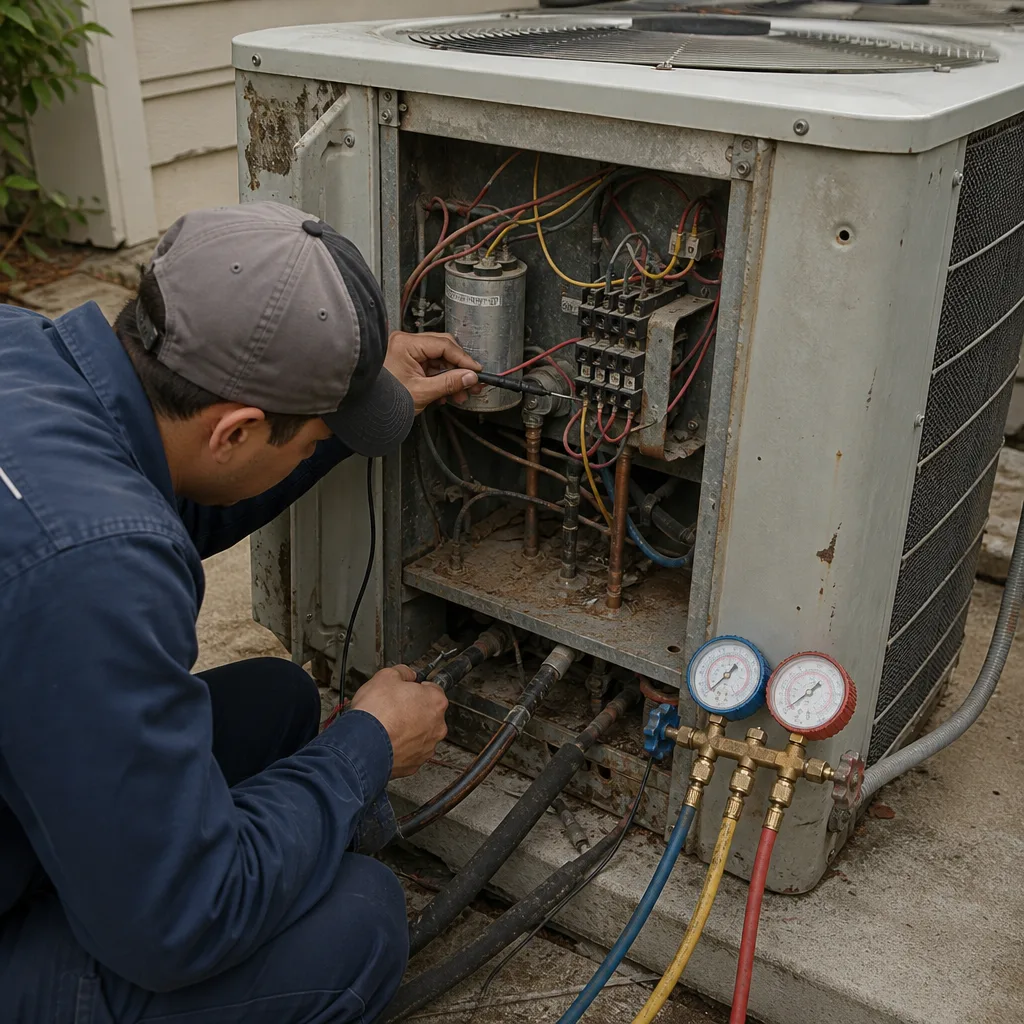 Before
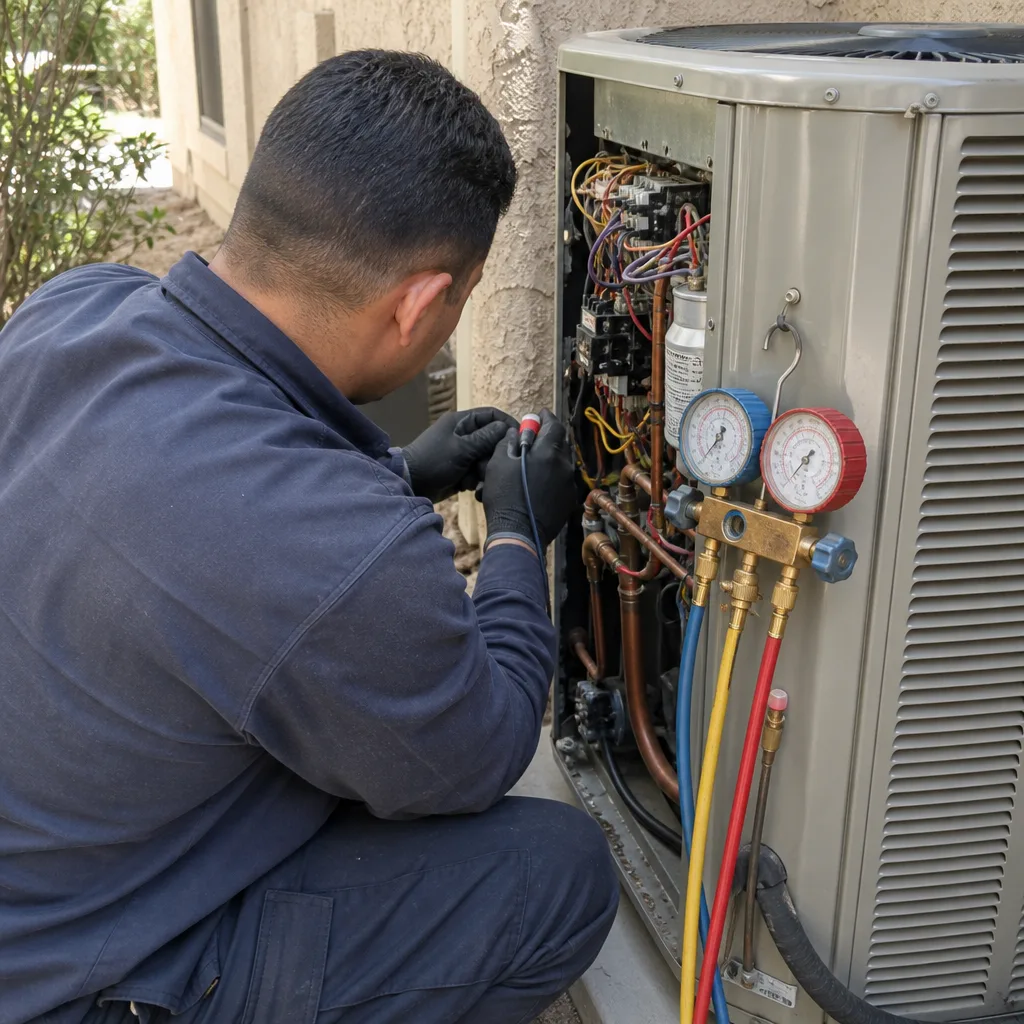 After
After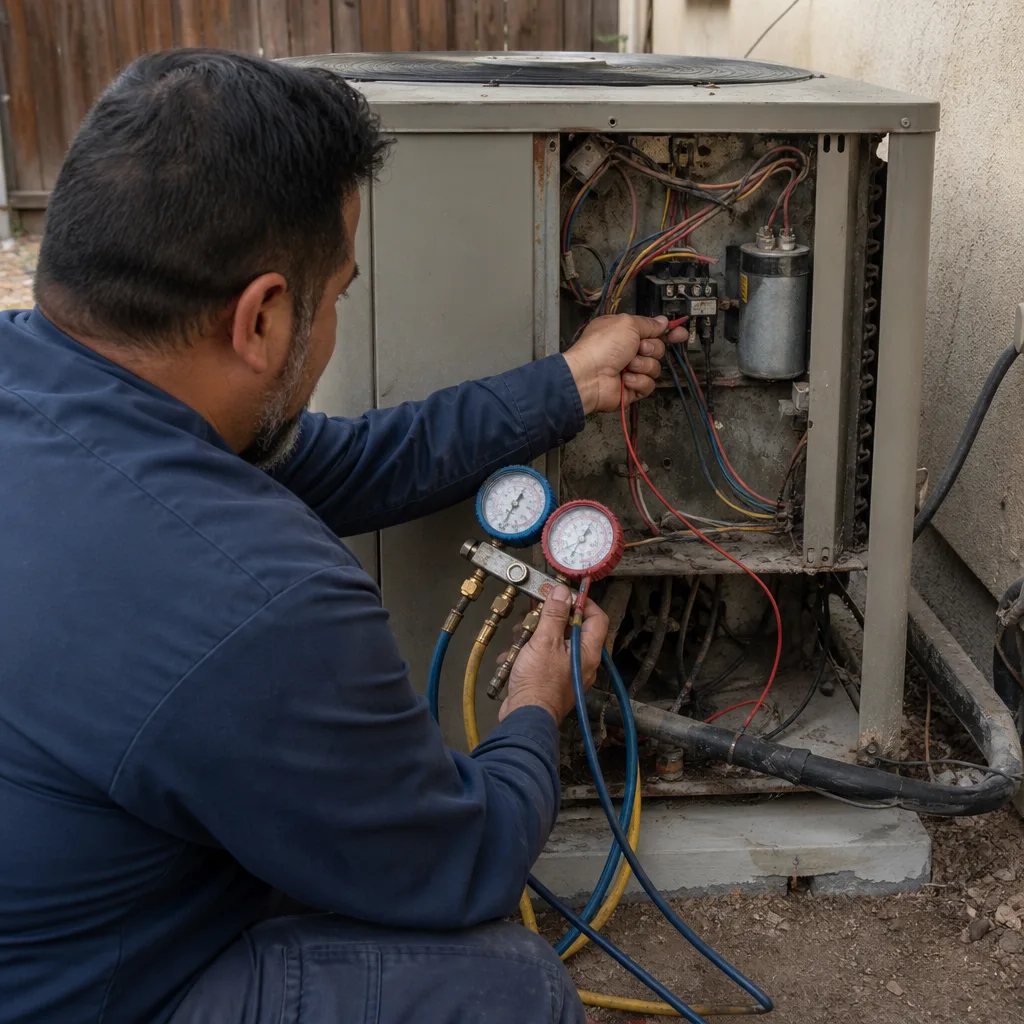 Before
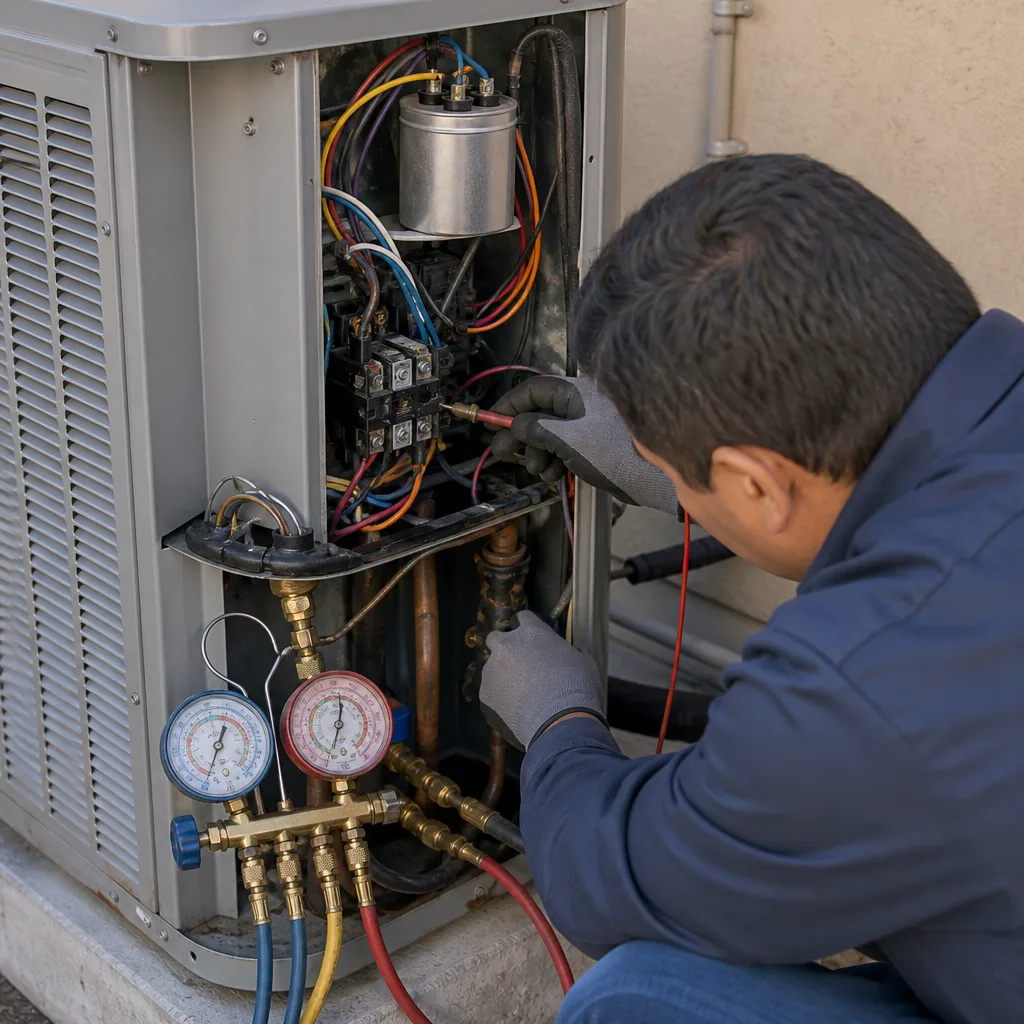 After
After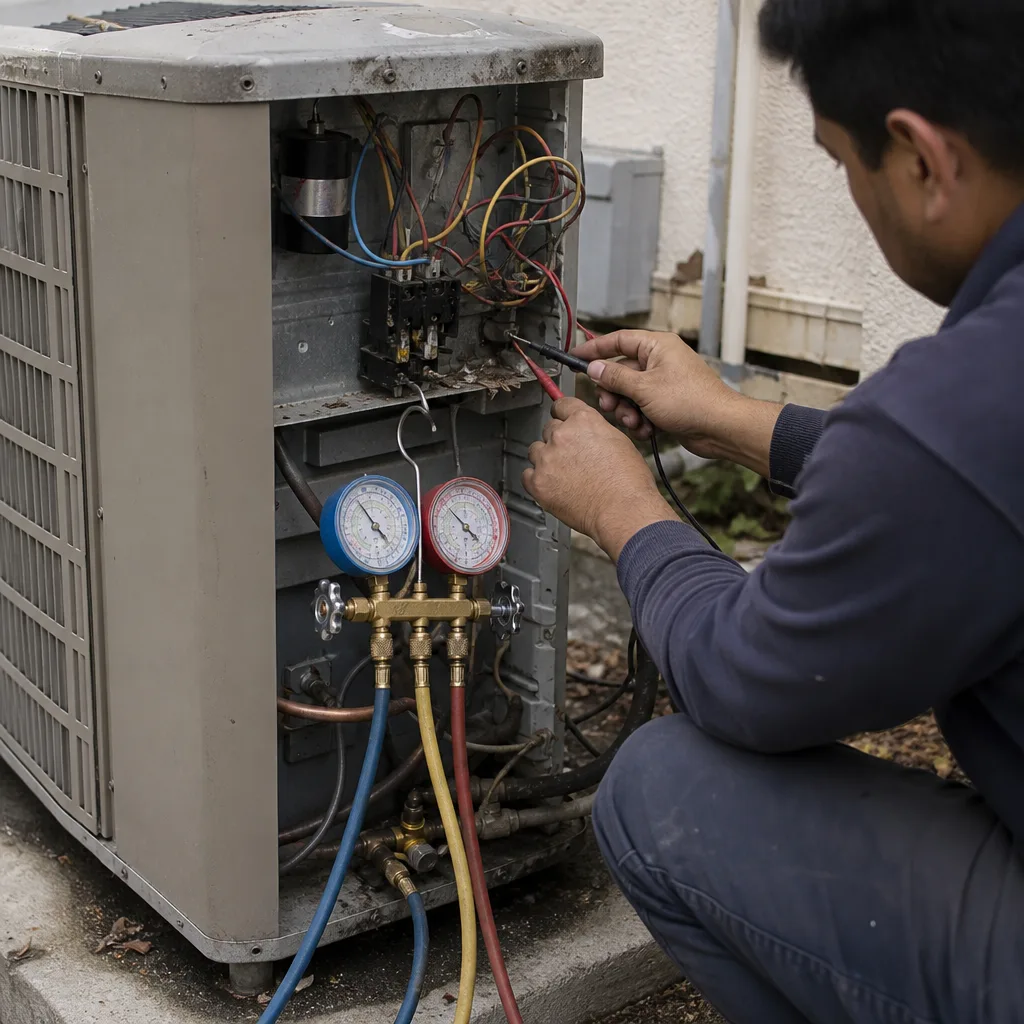 Before
 After
After