
Last updated October 16, 2026
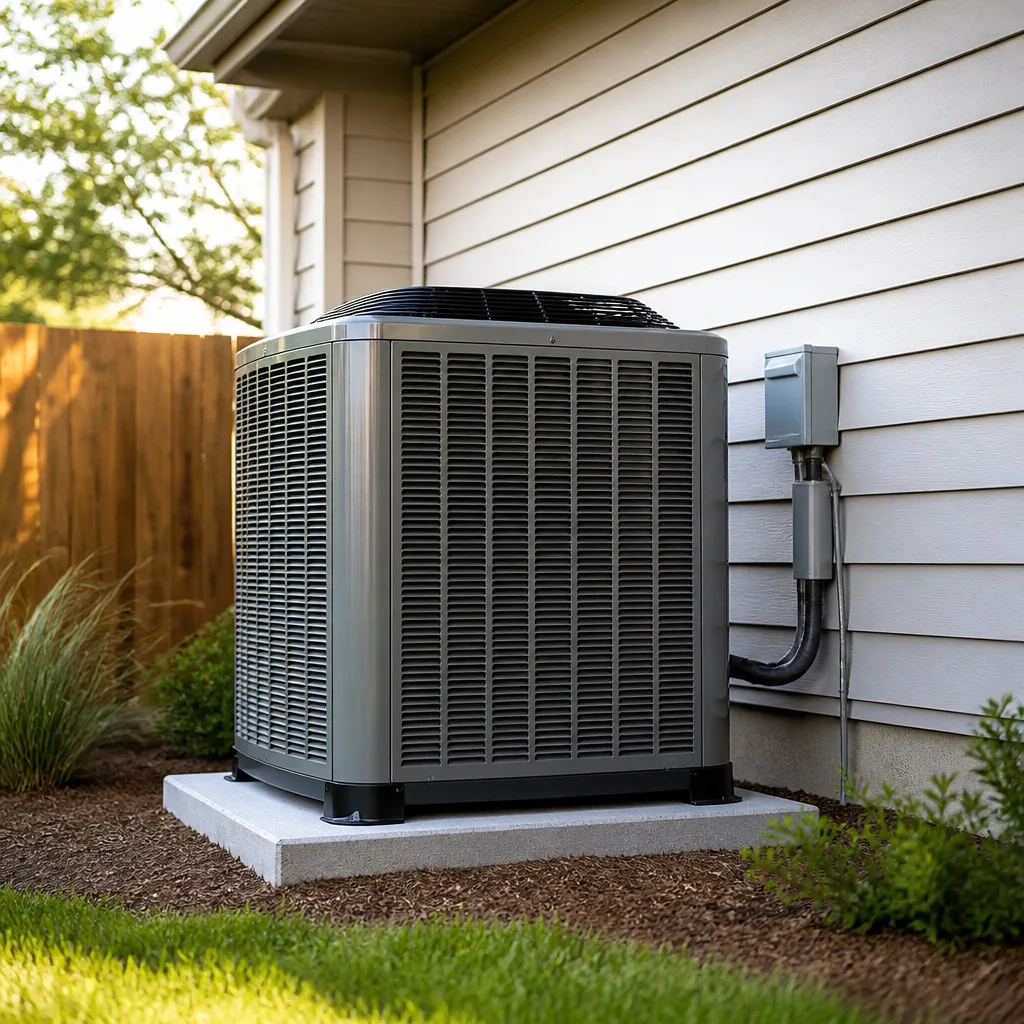 AC repair
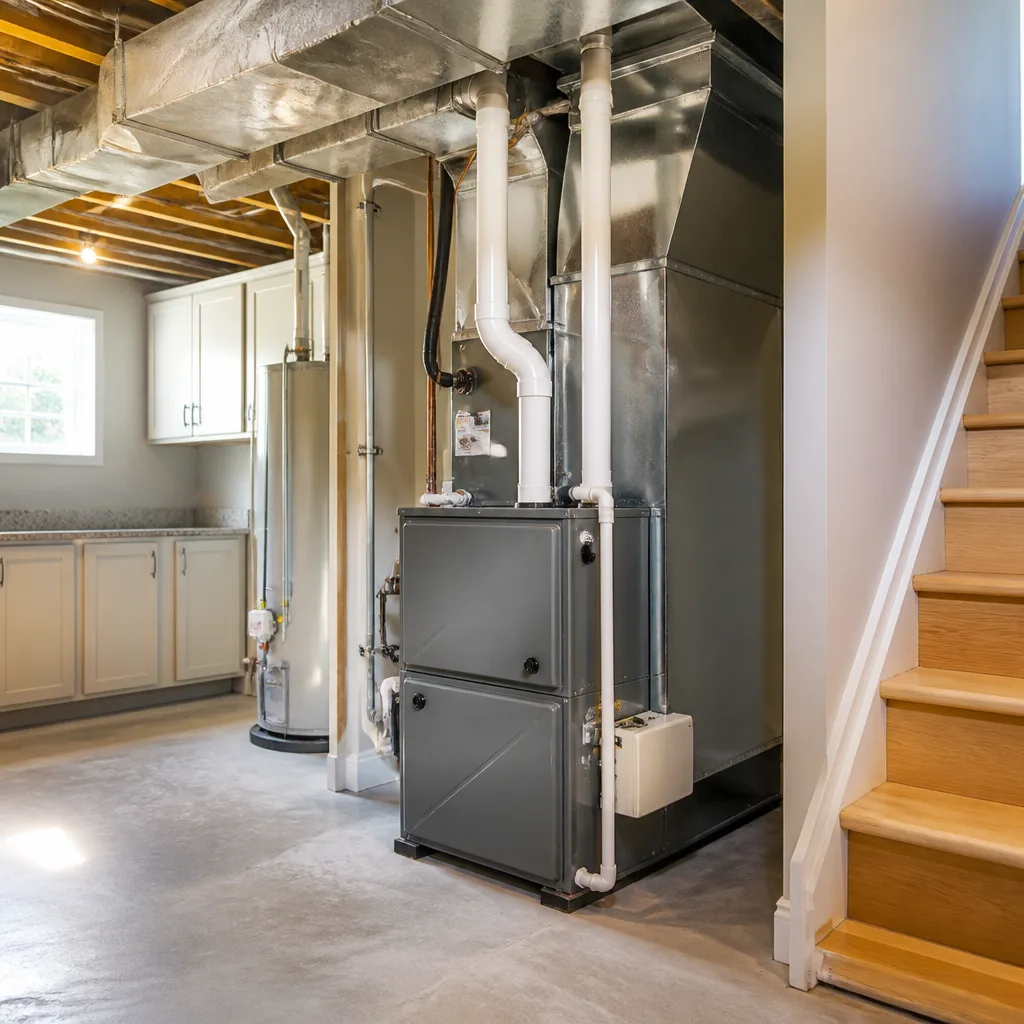 Furnace & heating
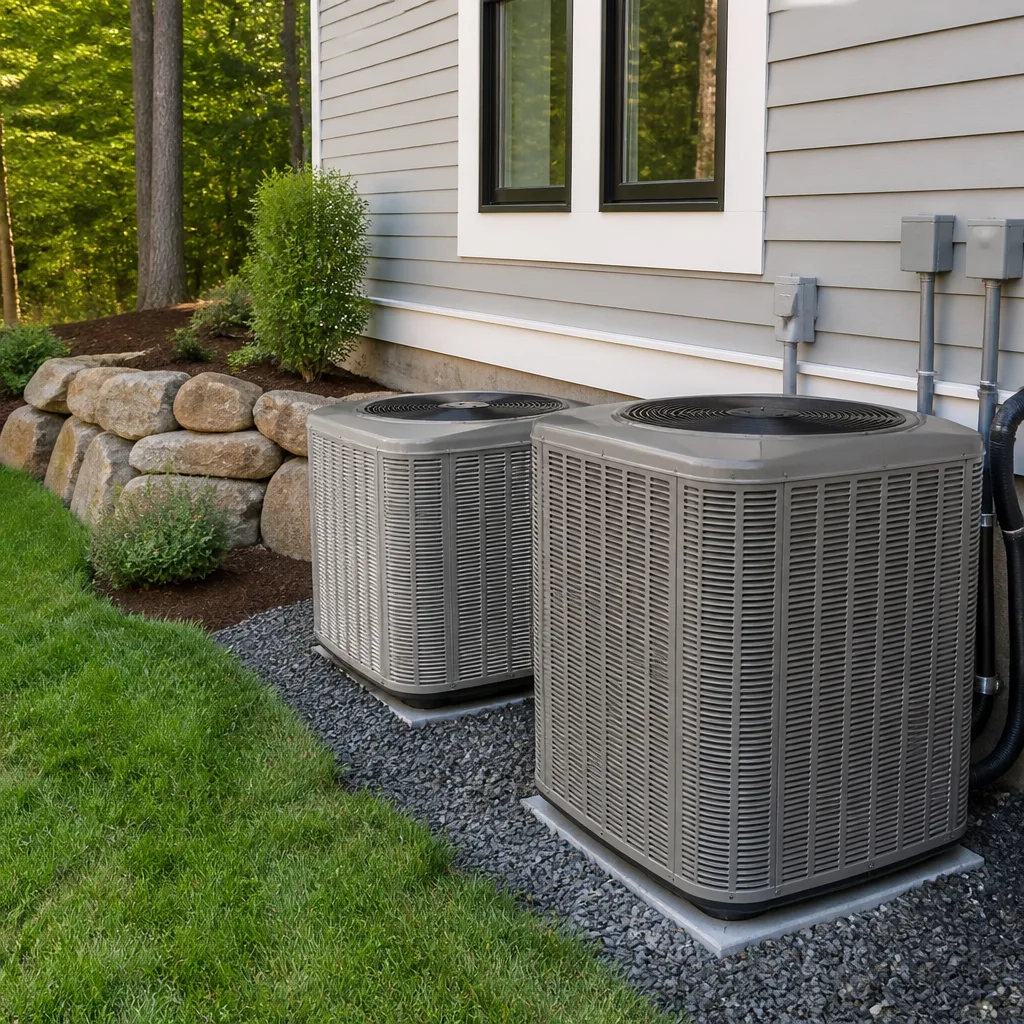 Heat pumps
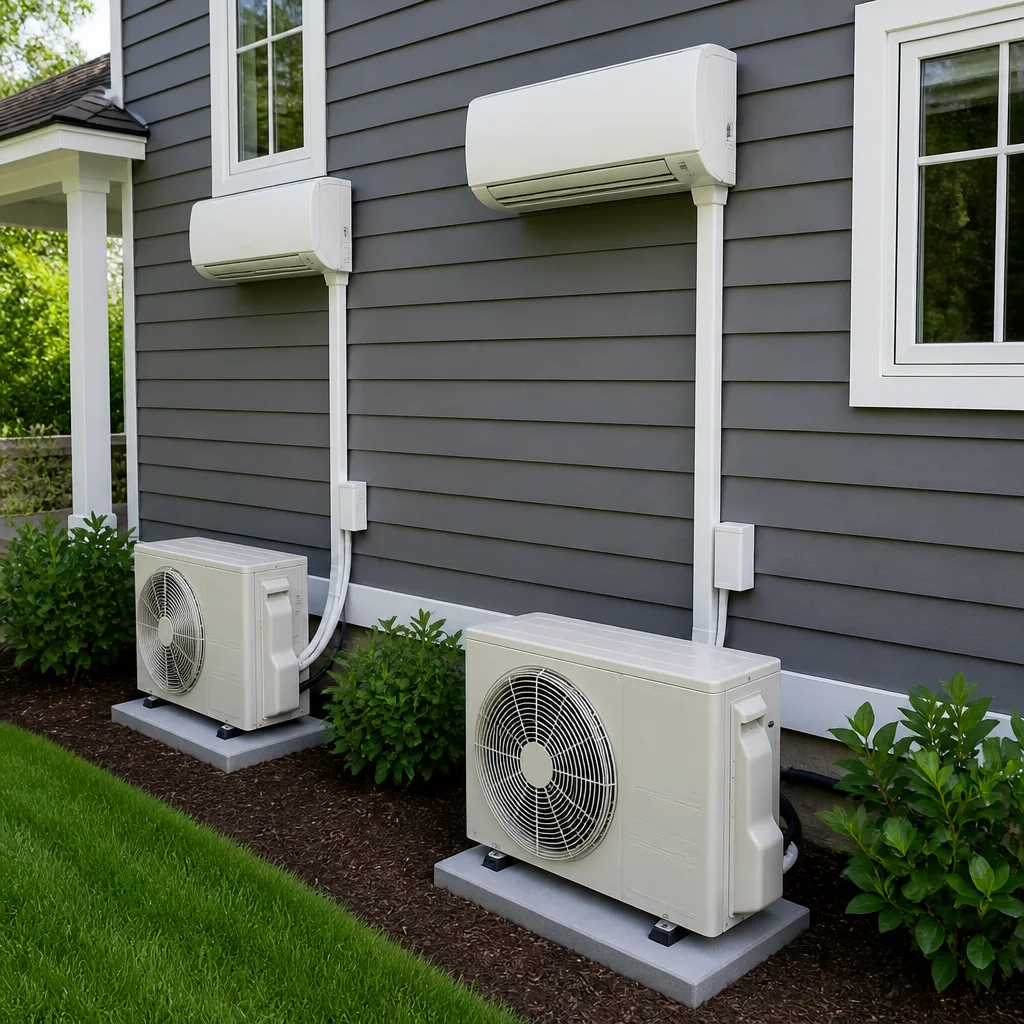 Ductless mini splits
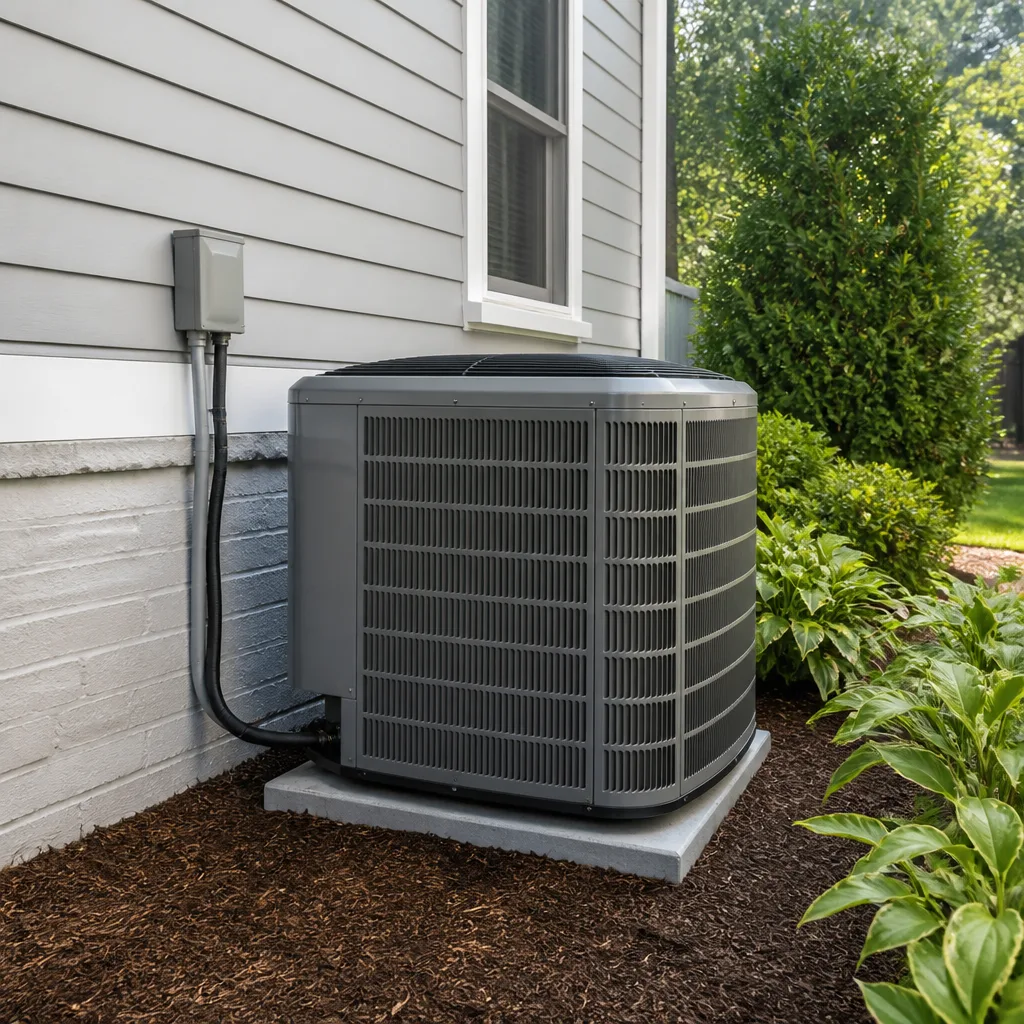 Carrier
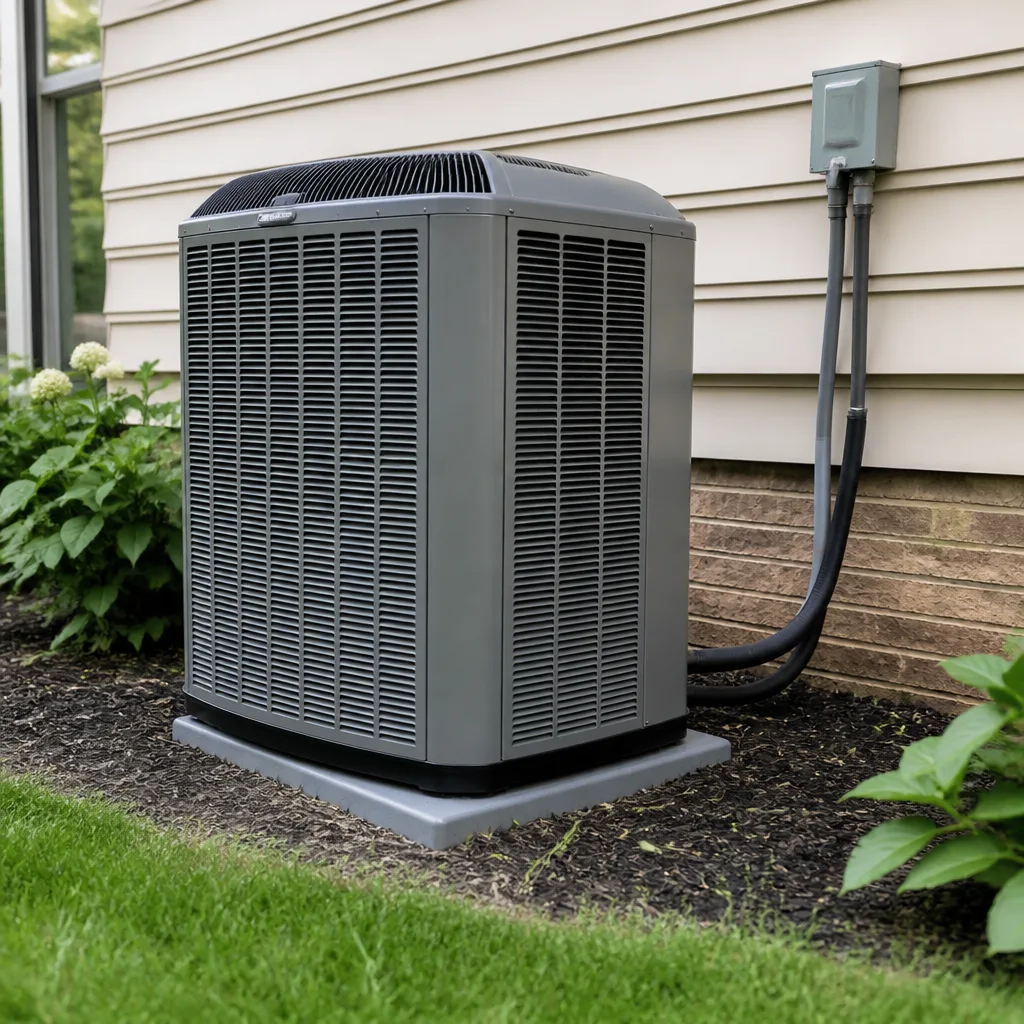 Trane
Trane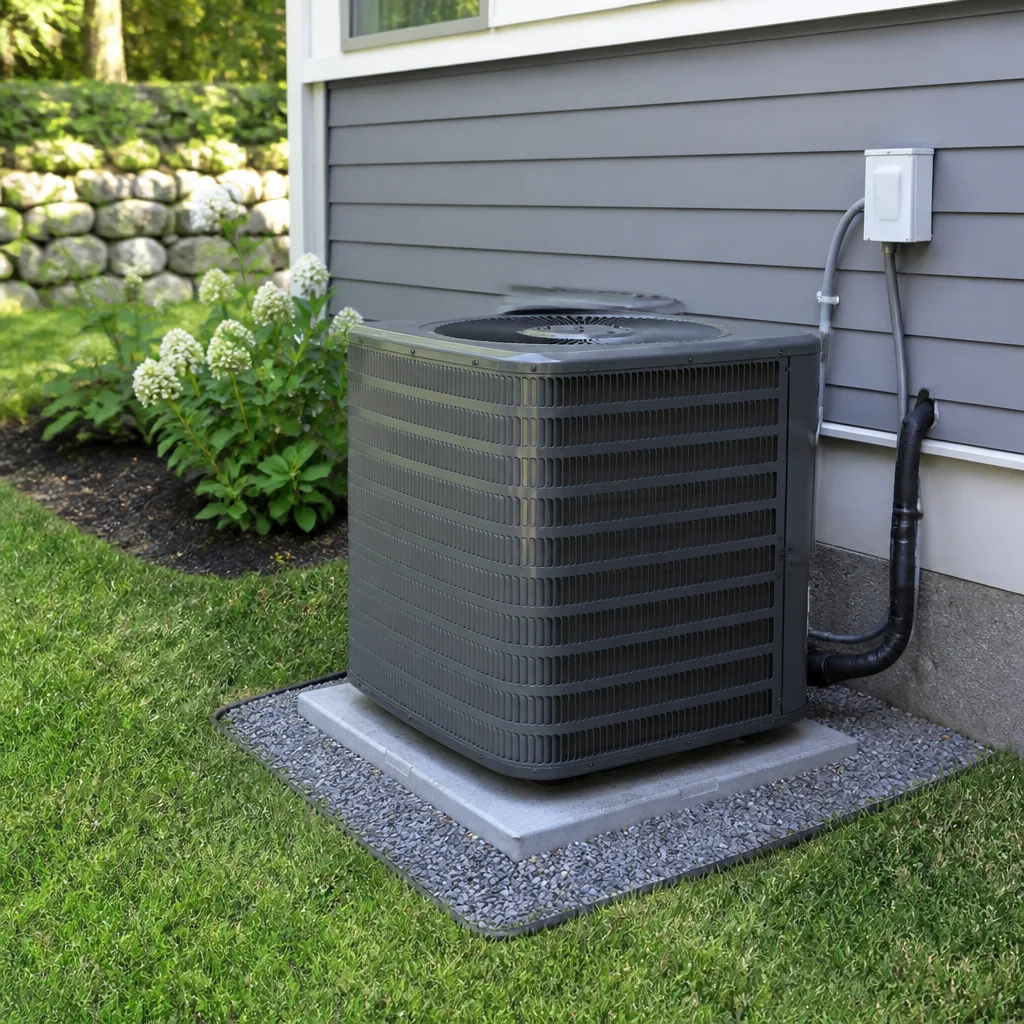 Goodman
Seasonal tune-up and full diagnostic on your Carrier, Trane, or Goodman system - readings shown to you before any repair is proposed
Diagnosis first, numbers second - you approve the repair price before a single part goes in.
Get your free estimateHVAC Cost Breakdown: The Riverside Homeowner’s Reference for 2026
Two Riverside homeowners can get quotes for the same 3-ton AC replacement that differ by $2,000 or more. One quote includes a permit fee, a duct-leakage test, and proper refrigerant recovery. The other doesn’t. Both look similar on paper, and without knowing what actually drives the number, there’s no way to tell which is fair and which is a corner being cut. This guide opens up the line items, the labor factors, and the Riverside-specific variables that explain HVAC pricing, so you can read any quote critically before you sign it. We’ll walk through what a tune-up, a capacitor swap, a full AC replacement, a furnace job, and a whole-system changeout should cost in 2026, and what belongs on the written estimate you’d get from Meadowsweet Heating and Air Riverside home.
Quick Answer
In Riverside, CA, a full HVAC system replacement in 2026 typically runs between $9,500 and $16,500 for a standard 3-ton split system with a mid-efficiency furnace, while an AC-only replacement lands between $6,000 and $12,500 depending on efficiency rating and whether ductwork needs attention. A seasonal AC tune-up costs $89 to $180, and a capacitor replacement runs $180 to $340 including the part and labor. The exact number depends on equipment brand, refrigerant type, attic or garage access, permit requirements, and whether the quote includes a full written line-item breakdown, which is the standard at Meadowsweet Heating and Air.
Styles & brands we work with
Table of Contents
- What Actually Drives HVAC Prices in Riverside
- The Five Most Common Riverside Jobs: Cost Breakdowns
- Why Labor Varies in Riverside: Rooftop, Attic, Garage, and Permits
- How to Read a Quote Line by Line
- The Written Price Standard: What Should Be on Paper Before Work Starts
- Financing and Riverside Utility Rebates in 2026
- Common Mistakes to Avoid When Getting an HVAC Quote
- When to Call a Professional
What Actually Drives HVAC Prices in Riverside
HVAC pricing feels opaque because most contractors present a single bottom-line number without walking you through the pieces. In Riverside, five factors consistently move the number more than anything else: equipment efficiency tier, refrigerant type, labor complexity based on where the unit lives, permit and code requirements, and whether the company writes a detailed scope of work or just a price on a business card.
Riverside summers sit above 95°F for weeks at a time from June through September. That means cooling load calculations drive AC sizing more aggressively here than in coastal cities. A home that needs a 3-ton system in Riverside’s Arlington or La Sierra neighborhoods might need a 4-ton system if it faces southwest with no shade and has older single-pane windows. Sizing mistakes are expensive either direction: too small and the system runs constantly in August; too large and it short-cycles, leaving humidity behind and wearing out parts early.
Refrigerant is the quiet line item that surprises most homeowners. R-22 refrigerant, standard in systems installed before 2010, is no longer manufactured in the United States. A recharge now costs $150 to $300 per pound, and a full system holding 6 to 10 pounds becomes a $900 to $3,000 surprise if a leak develops. Newer systems using R-410A still have reasonable refrigerant costs, but the industry is already transitioning toward A2L refrigerants like R-32 and R-454B, which changes equipment pricing in 2026 as manufacturers shift production lines.
Finally, Riverside’s building codes require mechanical permits for equipment replacements, and permit fees vary by job size; see HVAC Permits, Codes & Inspections in CA: What You Need to Know for full details. A straight AC or furnace swap typically runs $150 to $400 in permit costs, while a full system changeout with duct modifications can run higher. Companies that don’t mention permits on the quote may not be pulling them, and that leaves the homeowner holding responsibility if something is later found out of compliance.
The Five Most Common Riverside Jobs: Cost Breakdowns
1. AC Tune-Up or Seasonal Maintenance
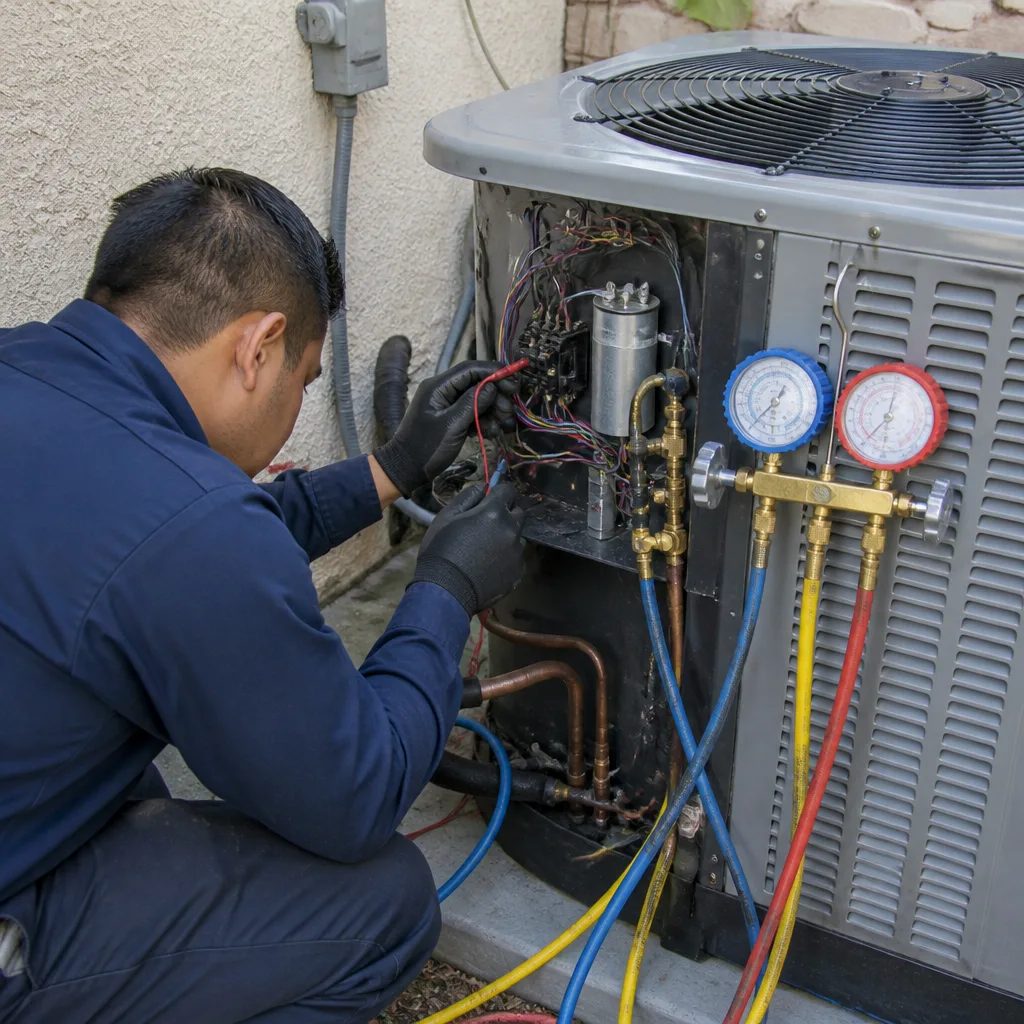
A tune-up in Riverside typically costs between $89 and $180. At that price, the technician should check refrigerant pressures, test capacitors and contactors, clean or replace the air filter, inspect the condensate drain line, wash the outdoor coil if needed, and measure the temperature split across the coil. The biggest value item on a tune-up is the capacitor check, because a weak capacitor is the most common cause of a Riverside AC failure during a September heat wave, and catching it in March costs $200 instead of $500 in July when the system won’t start and an emergency call gets involved.
2. Capacitor Replacement
A capacitor replacement costs $180 to $340 in Riverside. The part itself is $20 to $70, but the balance is the diagnostic time, the trip charge, and the labor to safely discharge and swap the component. Capacitors store electrical charge even when power is off, which is why this is not a handyman-level repair. A dual-run capacitor failing on a hot afternoon sounds like a hum followed by no fan, and the fix is quick when the truck is already stocked.
3. Full AC Replacement (Condenser and Coil)
An AC-only replacement in Riverside runs $6,000 to $12,500 in 2026. The spread comes from efficiency: a 14-15 SEER2 baseline unit costs less than a 17-20 SEER2 variable-speed system, and Riverside’s cooling hours make that efficiency difference real on SCE bills. Expect the low end for a 2-3 ton system with a basic air handler in an easy-access garage, and the high end for a 4-5 ton high-efficiency system with a rooftop package unit or a difficult attic coil replacement. The line item should include removing the old condenser and coil, recovering old refrigerant per EPA rules, installing the new equipment, brazing and pressure-testing the lines, pulling a vacuum, and recharging with new refrigerant. A duct-leakage test, when included, adds $150 to $350 and tells you whether 20% or more of your cooled air is being lost into the attic before it ever reaches a bedroom.
4. Furnace Replacement
A furnace replacement in Riverside runs $4,500 to $8,500 for a standard 80% AFUE gas furnace, and $6,500 to $11,000 for a 90%+ high-efficiency condensing unit. Riverside winters are mild compared to the Midwest, but nights below 40°F are common from December through February, and a failed furnace in January is a genuine comfort emergency for families with young children or older adults in the house. The spread depends on whether the job is a simple like-for-like swap versus a job that needs a new flue liner, condensate pump, or gas line adjustment. A condensing furnace produces acidic condensate that must be drained properly, and that drainage work is a real cost, not an upsell.
5. Full System Changeout (AC and Furnace Together)
A complete system replacement in Riverside runs $9,500 to $16,500 for a matched 3-ton AC with a mid-efficiency gas furnace. This is the job where price variation matters most, because the $7,000 gap between the low and high end of that range should be fully explained by line items: SEER2 rating, furnace AFUE, communicating thermostat included or not, and whether the install includes new duct transitions, a sealed plenum, and a combustion safety check. Homeowners in Riverside’s older neighborhoods, like Magnolia Center or Wood Streets, should expect duct assessment line items when the house is pre-1980, because original ducts are often undersized or leaking at the joints.
Why Labor Varies in Riverside: Rooftop, Attic, Garage, and Permits
Labor is the second-largest HVAC line item after equipment, and in Riverside it varies more than in most California cities because housing stock is a mix of three very different access types. Each one changes how long the job takes, how many crew members are needed, and what safety equipment is required.
- Rooftop package units: Common in single-story Riverside homes built in the 1960s and 1970s, especially in the Canyon Crest and Victoria areas. The entire heating and cooling system sits in one cabinet on the roof. Replacement requires roof access, crane time for heavy equipment, and extra safety rigging. Labor runs 20-30% higher than a ground-level split system swap because of those factors.
- Attic air handlers: Many two-story Riverside homes built in the 1980s and 1990s have the furnace or air handler in a tight attic space. Replacing an evaporator coil in an attic with limited clearance adds 2 to 4 hours of careful work, includes protecting stored belongings and insulation, and often means the crew works in 110°F attic heat during summer months, which requires rotating technicians and extra hydration breaks to work safely.
- Garage or closet air handlers: The cleanest install scenario. The equipment sits at floor level in an accessible space, no crane needed, no attic crawl. Quotes on these jobs trend toward the lower end of the ranges above.
Permit complexity also varies by job. A like-for-like replacement where the unit stays in the same footprint is a straightforward mechanical permit. Moving equipment, changing fuel type, or adding new duct runs triggers plan review and sometimes a Title 24 energy inspection, which adds $200 to $600 in fees and a few extra days to the timeline. A contractor who mentions this on the estimate is doing the job correctly.
How to Read a Quote Line by Line
Here’s the honest structure of a fair HVAC quote in Riverside, line by line, so you know what belongs on paper before you sign anything, and you can find more guides & resources on our blog.
- Equipment: This line should name the exact brand, model number, tonnage, SEER2 or AFUE rating, and whether the equipment is a matched system. If the quote only says “3-ton AC” with no model number, you cannot compare it to another quote. Brand name matters less than model tier, and all the major manufacturers produce both budget and premium lines. In our experience, the difference between a baseline and a premium model from the same brand can be $2,000 to $4,000, which is why the model number is non-negotiable on a fair quote.
- Labor: Usually a flat rate, not hourly, for standard replacements. The labor line should reflect the access type we described above. Ask the estimator to confirm which access type they assumed when they priced the job; if they assumed garage access and your air handler is in an attic, that’s a price change waiting to happen after the crew arrives.
- Refrigerant: New equipment comes pre-charged for a standard line-set length, usually 15 to 25 feet. Longer line sets, or replacement line sets on a retrofit job, cost extra. If your old system used R-22, the quote should include a separate line item for EPA-compliant recovery and disposal of that refrigerant, which is a legally required step with real cost.
- Permit and inspection: $150 to $400 for most mechanical permits in Riverside, plus any Title 24 compliance work if the job changes building performance. If this line is absent, ask whether a permit is being pulled. We recommend always pulling the permit. It creates a paper trail with the city and protects you if something goes wrong later.
- Disposal: Removing and disposing of the old condenser, coil, and furnace costs $75 to $200. This should appear explicitly. If it doesn’t, it’s either buried in another line or not happening, and you’ll find the old equipment left behind or dumped where it shouldn’t be.
- Miscellaneous materials: Line-set insulation, pad for the condenser, thermostat wiring, emergency drain pan, and condensate float switch can add $150 to $400 depending on existing conditions. This line is where honest quotes account for the real scope, while vague quotes hide it.
The Written Price Standard: What Should Be on Paper Before Work Starts
A written price before any work starts is the single clearest signal that a contractor intends to do the job they quoted. Price changes after the job begins are a contractual red flag, because once the system is disconnected and the driveway is blocked with equipment, a homeowner has almost no leverage to negotiate. When the crew from Meadowsweet Heating and Air walks a Riverside job, the written estimate includes the specific equipment by model number, a line-item breakdown of labor and materials, a permit line, and a scope note explaining exactly what will be done, including how the work area will be protected and cleaned.
Three standards are built into every job we do, and they’re written down, not implied: shoe covers and drop cloths on every visit, a photo of the clean-up sent before the crew leaves, and a price on paper before tools come off the truck. The first protects floors and play areas from attic insulation, drywall dust, and outdoor debris tracked in during a swap. The second gives you a record of how the job site was left, which matters if you’re selling the home or if a property manager asks for documentation. The third eliminates the middle-of-the-job surprise. None of those are upsells. They’re part of the job.
We also hold to a 365-Day Done Right Promise on every repair and installation. If something is not done right within the first year, we make it right, no runarounds and no fine print. That’s the kind of accountability that should be standard across the industry but isn’t.
Financing and Riverside Utility Rebates in 2026
Riverside Public Utilities and Southern California Edison both serve different parts of the city, and their rebate programs differ. SCE customers in Riverside’s western and southern neighborhoods can access rebates for high-efficiency heat pumps and AC systems, typically $300 to $1,500 depending on SEER2 rating and whether the system includes a smart thermostat. Riverside Public Utilities customers, concentrated in the older central parts of the city, have their own efficiency programs, and in 2026 those include modest rebates for qualifying high-efficiency AC replacements, usually in the $200 to $800 range. The realistic savings number is the lower end of those ranges, not the best-case scenario, because actual rebate amounts depend on the specific equipment model, the home’s existing duct condition, and whether the installation meets the utility’s verified-efficiency checklist.
Manufacturer rebates from brands like Carrier and Daikin stack on top of utility incentives in spring and fall, when distributors clear inventory before the summer peak. Those typically add $200 to $1,000 in Visa-card or statement-credit form. Financing through the manufacturer or through a third-party home services lender carries APRs that vary widely by credit tier, from 0% promotional plans on select equipment to double-digit rates for longer terms. A 0% plan for 12 to 18 months makes sense if you can pay the balance before the promo ends. A 9.9% plan over 84 months on a $12,000 system costs about $3,800 in interest, so the math only works if the alternative is going without a functioning system through a Riverside summer.
When you call Meadowsweet Heating and Air, we’ll walk through the rebate paperwork for you and tell you honestly which incentives actually apply to your address, because utility programs are specific to the meter, not just to the city.
Common Mistakes to Avoid When Getting an HVAC Quote
- Comparing quotes by brand name alone instead of model number. A baseline Carrier and a premium Carrier are different machines at different prices. The model number and efficiency rating are the comparison points, not the badge.
- Ignoring the access type assumption on the labor line. If the quote assumes easy garage access and your air handler is in a Riverside attic with 24 inches of clearance, the job will cost more than quoted. Confirm the assumed access in writing.
- Skipping the duct-leakage test on an older home. In Riverside’s pre-1980 neighborhoods, we regularly find duct systems leaking 20-30% of conditioned air into the attic. A $250 test on the front end can reveal that half your cooling budget is not reaching the rooms you’re actually cooling.
- Not asking about the old refrigerant disposal line. If the system being replaced runs on R-22, EPA-compliant recovery is legally required. A quote without that line item either hasn’t accounted for it or isn’t doing it properly.
- Accepting a verbal price without a written scope. A price spoken out loud, then a change order two hours into the job, is the classic pattern. Written scope protects you.
- Waiting for a failure to get quotes. Emergency replacements in July cost more because crews are fully booked, demand is peaking, and you lose negotiating room. Getting a quote in March or October for planned replacement work gets you more attention and better access to rebate windows.
- Overlooking the cleanup standard. Attic work drops insulation into living spaces. Rooftop work drags debris across the yard. Before signing, ask specifically whether shoe covers, drop cloths, and a post-job cleanup photo are included. At Meadowsweet Heating and Air, they always are.
When to Call a Professional
Call an HVAC professional when the system stops cooling or heating, when it runs constantly without reaching the set temperature, when you hear grinding, shrieking, or buzzing from the unit, or when you smell anything electrical or gas-related near the equipment. Also call before you commit to a replacement quote, so a technician can assess the actual access conditions, measure the existing ductwork, and confirm the correct sizing with a load calculation, not a guess based on square footage alone. Electrical components in an AC system carry enough voltage to cause serious injury or death, and refrigerant handling is regulated, so even a capacitor swap is not a safe DIY job. Refrigerant leaks require specialized tools and EPA certification. AC Repair in Riverside is one call away, and for heating issues, see Furnace Repair in Riverside. Meadowsweet Heating and Air Riverside offers free estimates across the city. Call (707) 340-6380 and a live person answers, night or day.
See the difference
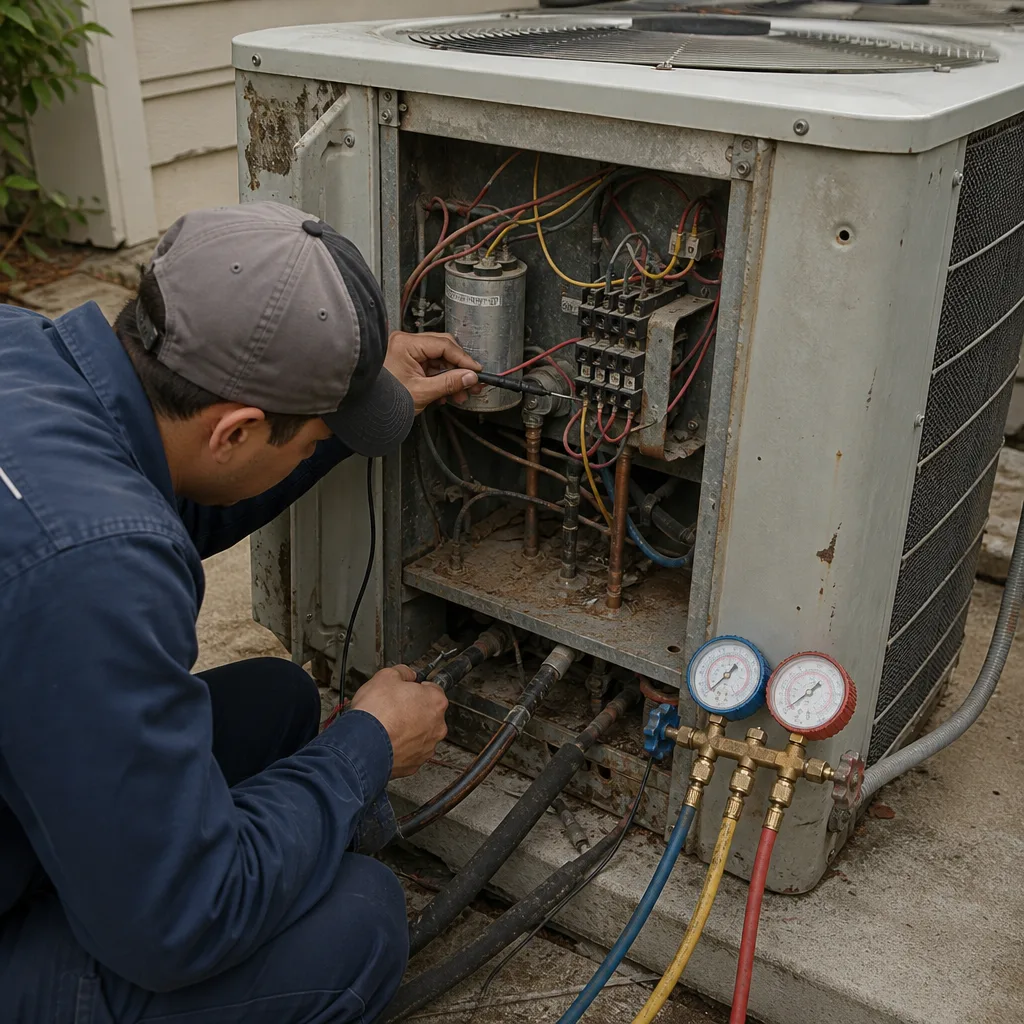 Before
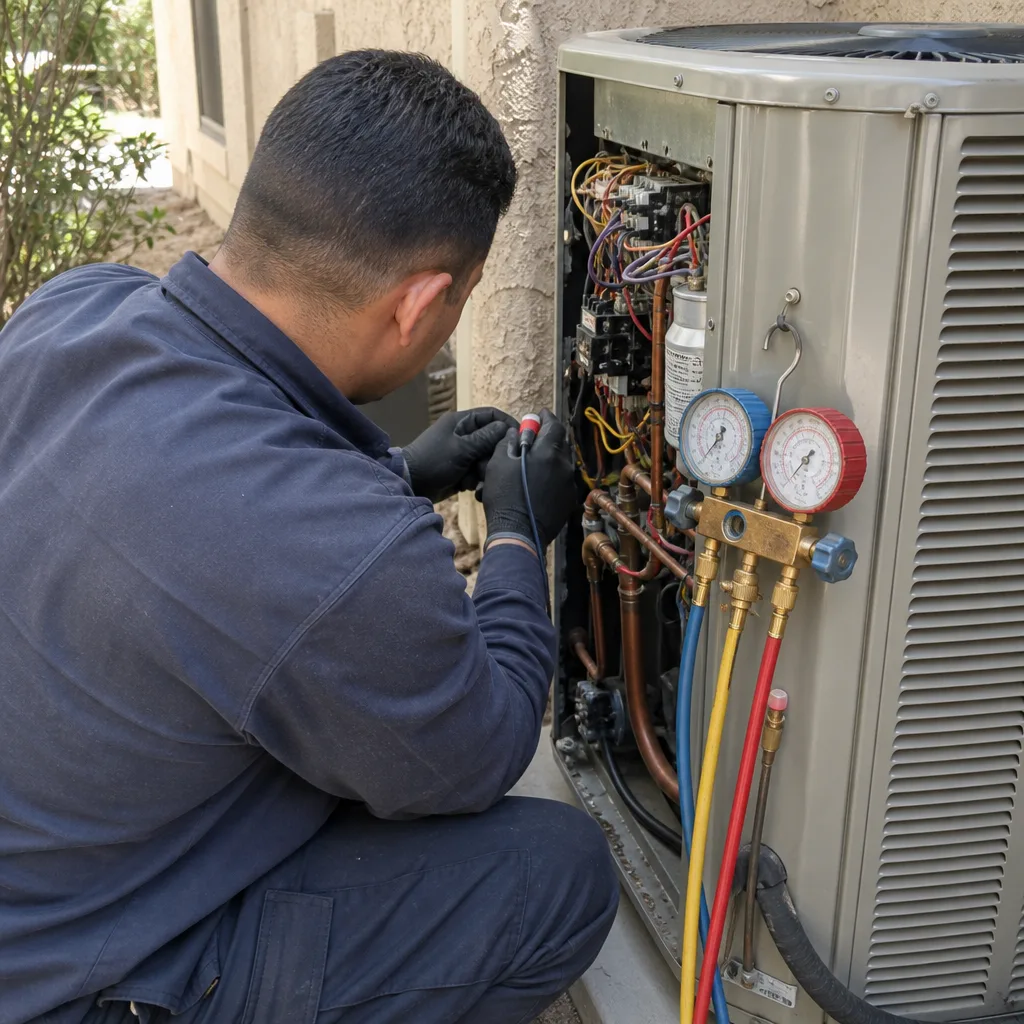 After
After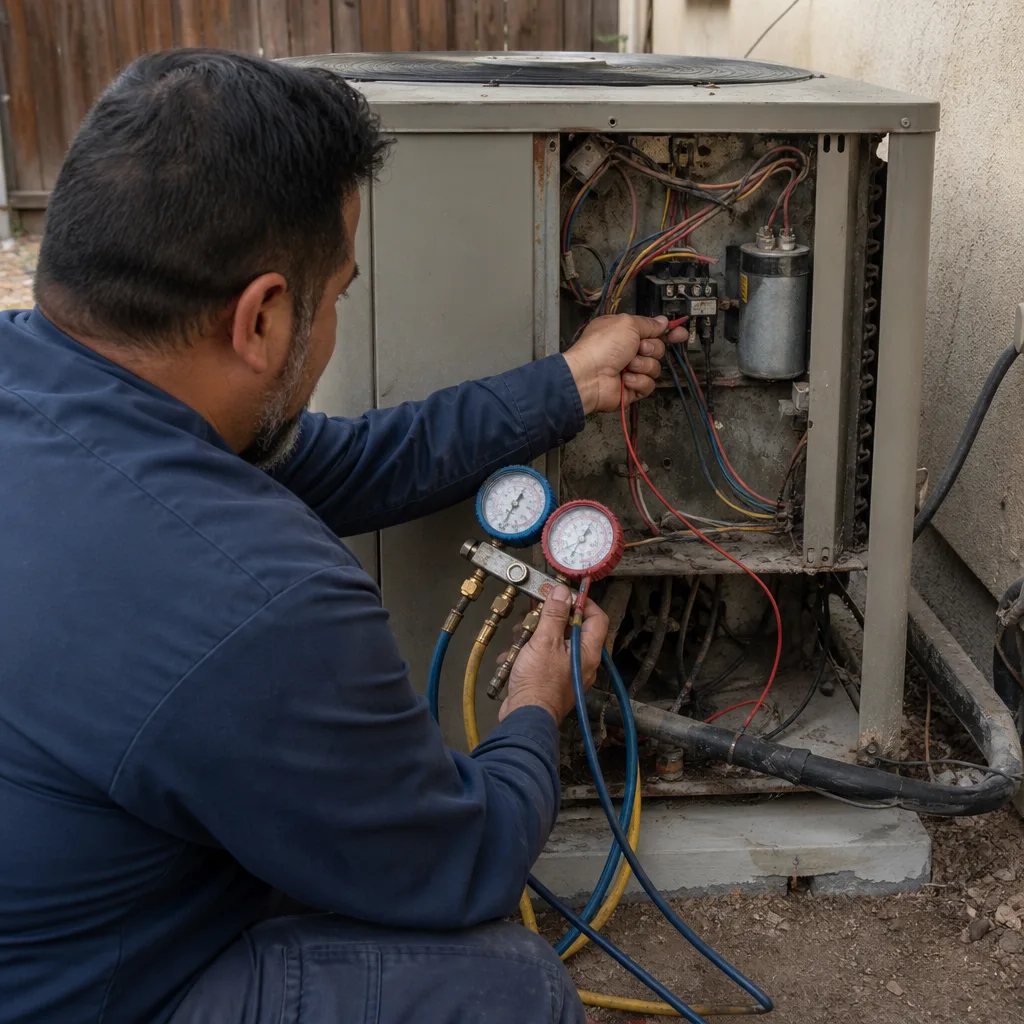 Before
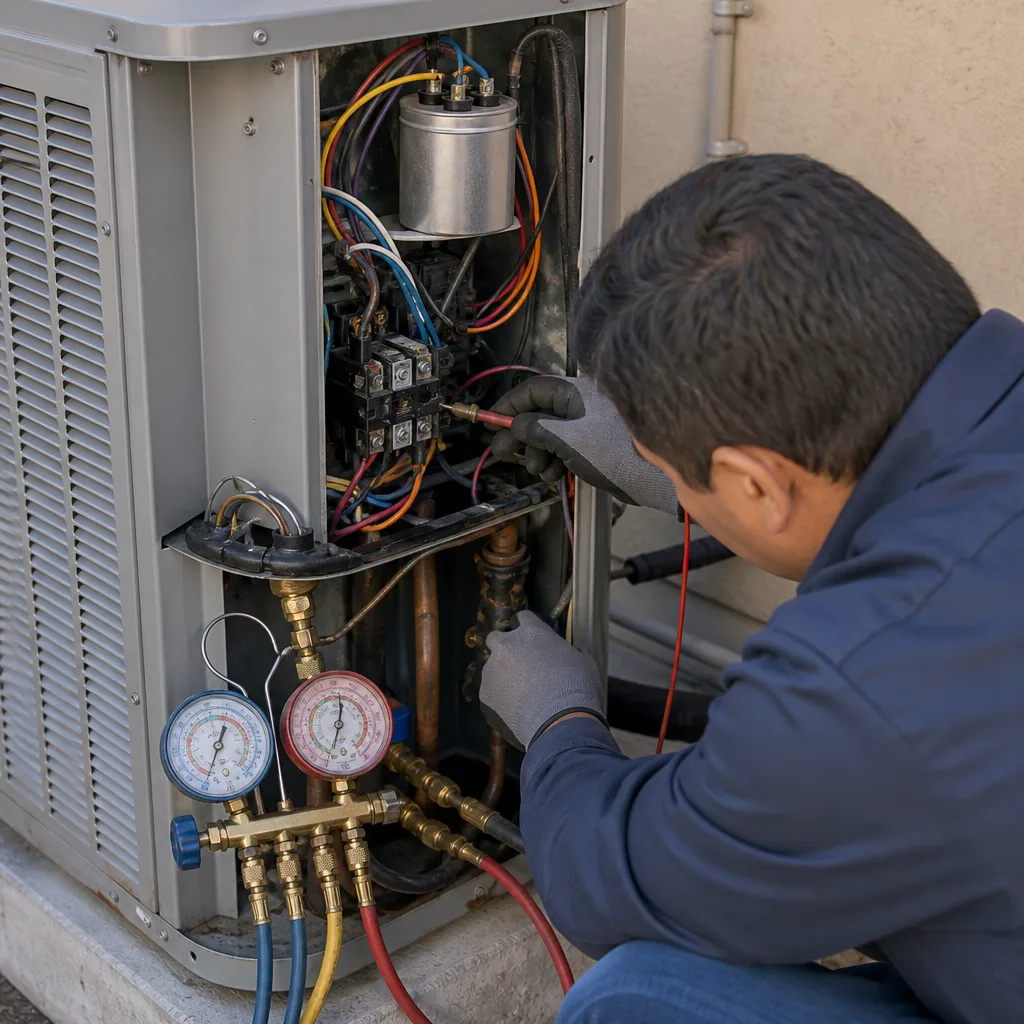 After
After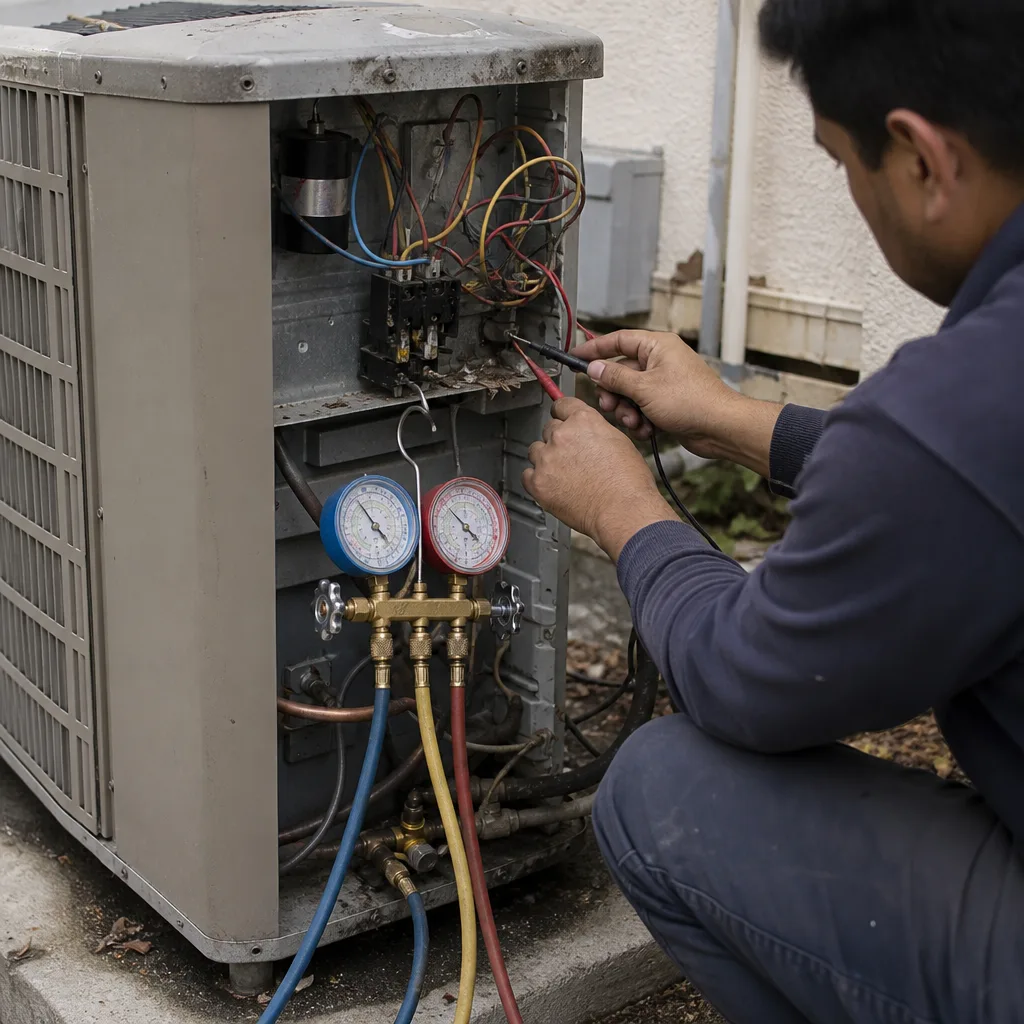 Before
 After
AfterFrequently Asked Questions
A full HVAC system replacement in Riverside runs $9,500 to $16,500 for a standard 3-ton split system with a mid-efficiency gas furnace, and an AC-only replacement runs $6,000 to $12,500 depending on SEER2 rating and access conditions. The exact price depends on whether it’s a rooftop package unit, an attic installation, or a simple garage swap, plus permit fees and any ductwork repairs. Call (707) 340-6380 for a written line-item estimate.
A standard AC and coil replacement takes 4 to 8 hours for a straightforward garage or ground-level install, and a full system changeout with a furnace typically takes one full day. Attic access or rooftop package units can add several hours, and a crane-scheduled rooftop job may run into a second day. We’ll give you the timeline in writing on the estimate.
If the compressor has failed or the system uses R-22 refrigerant, replacement usually makes more financial sense than repair, because R-22 recharge costs and compressor failures are both expensive and recurring. A capacitor, contactor, or fan motor failure on a 10-14 year old system is often still worth repairing. A technician who runs a load calculation and checks the system for leaks can give you an honest repair-or-replace recommendation based on your specific equipment.
Yes, SCE customers in parts of Riverside can get $300 to $1,500 in rebates for qualifying high-efficiency AC and heat pump systems, and Riverside Public Utilities customers can access smaller rebates in the $200 to $800 range depending on the program year. Manufacturer rebates from brands like Daikin and Bryant can add another $200 to $1,000 in spring and fall. We handle the paperwork and verify which incentives actually apply to your address.
A fair tune-up price is $89 to $180, and at that price you should get a capacitor test, refrigerant pressure check, coil inspection, drain line clearing, filter check, and a written report of what was found. Technicians at Meadowsweet Heating and Air are not paid on what they sell, so the report reflects what the system actually needs, not a sales target.
Riverside requires mechanical permits for equipment replacements, and the permit creates a city record that the installation met code and was inspected. It also protects your home insurance position if something goes wrong later. A permit costs $150 to $400 for most standard replacements and should appear as a line item on any honest quote.
The Bottom Line
HVAC pricing in Riverside is knowable when the quote breaks down into equipment, labor, refrigerant, permits, disposal, and materials. The fair ranges are $89 to $180 for a tune-up, $180 to $340 for a capacitor, $6,000 to $12,500 for an AC replacement, $4,500 to $11,000 for a furnace, and $9,500 to $16,500 for a full system changeout. The variation between quote A and quote B should be explained by access type, efficiency rating, and honest line items, not buried in a single number. Before signing, get the model numbers, the written scope, and the permit fee on paper. If you’d like a free estimate from AC Installation in Riverside specialists who write it all down before work starts, call Meadowsweet Heating and Air at (707) 340-6380. A live person answers, 24/7, no voicemail queue.
Written by Luis Serrano, Owner at Meadowsweet Heating and Air Riverside, serving Riverside since 2004.